

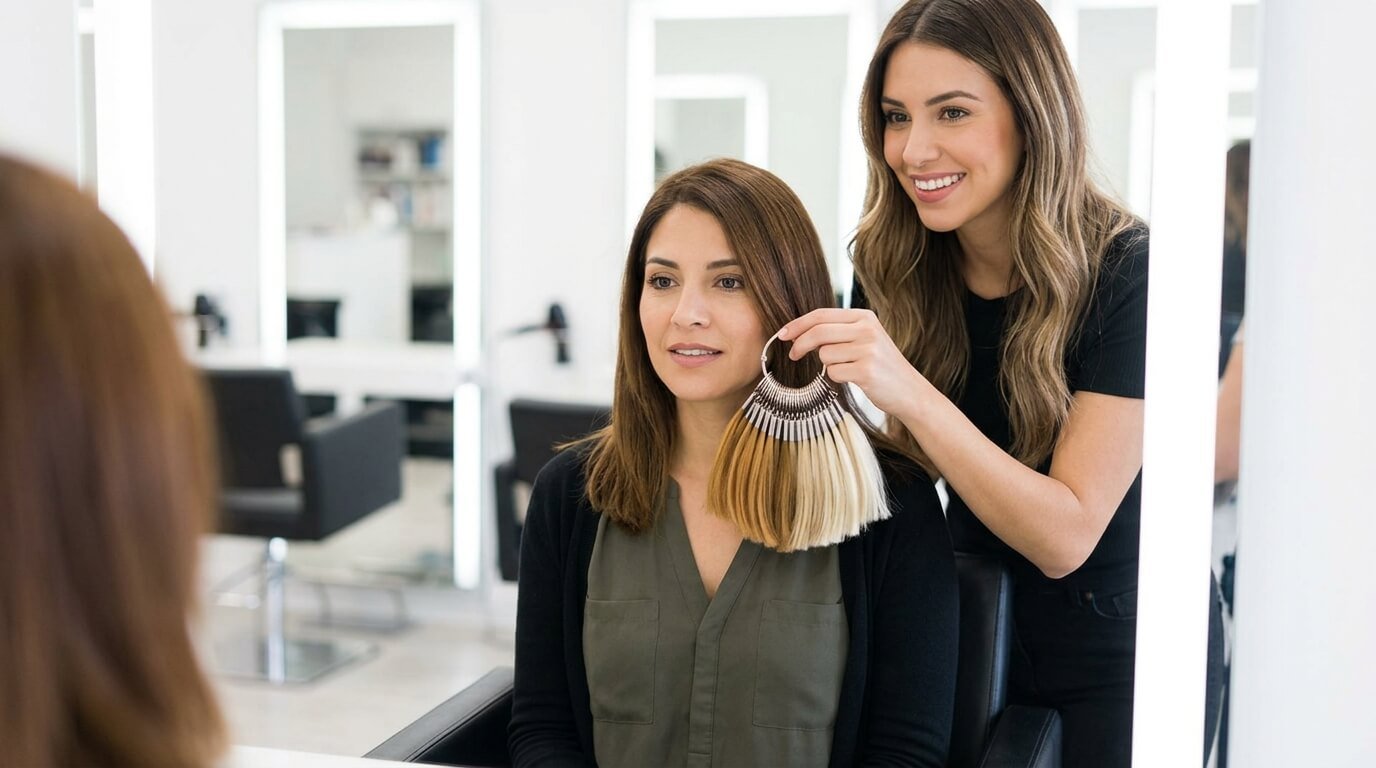

Blonde highlights can completely change the way your hair looks without requiring you to go fully blonde. Whether you want a soft, sun-kissed effect or a brighter, more noticeable transformation, the right technique can add dimension, movement, and personality to your hairstyle. But with so many shades and highlighting methods available, how do you know which one is right for you?
The good news is that there is no single formula. Your natural hair color, skin tone, haircut, lifestyle, and desired level of maintenance can all influence the best choice. Think of highlights like adding light to a painting: carefully placed lighter strands can make the entire picture appear more vibrant.
What Are Blonde Highlights?
Blonde highlights are lighter sections of hair created by lifting selected strands to a lighter shade than the surrounding hair. Instead of coloring the entire head, a stylist strategically places lighter pieces throughout the hairstyle.
This approach creates contrast and depth. Depending on the technique, the result can be subtle enough to look naturally lightened by the sun or bold enough to create a dramatic transformation.
The beauty of highlights is their flexibility. You can choose fine strands around your face, larger pieces throughout your hair, or a combination of different tones. The placement can also be customized according to your haircut.
Highlights can create several effects, including:
- Adding brightness around the face
- Creating the appearance of greater dimension
- Making a haircut look more textured
- Blending certain natural colors
- Creating a sun-kissed appearance
- Refreshing an existing blonde hairstyle
- Adding contrast to darker hair
Unlike an all-over color, highlights allow your natural shade to remain part of the overall look.

Why Are They So Popular?
One major reason people choose highlights is that they offer a noticeable change without completely replacing their natural hair color.
Imagine your hair as a landscape. An all-over color changes the entire landscape, while highlights are more like beams of sunlight appearing in selected areas. The original color remains visible, but the lighter sections make everything look more interesting.
Another advantage is versatility. Highlights can work with short bobs, long layers, curly hairstyles, straight hair, and everything in between.
They can also be customized for different personalities. Someone who prefers a natural appearance might choose delicate, closely blended strands. Another person may prefer strong contrast with bright pieces.
They can also grow out more softly than some full-color services, especially when the lighter pieces are blended carefully into the natural base.
Of course, the maintenance level depends on the technique and how much contrast you choose. Very light roots against a darker natural color may require more frequent salon visits, while blended highlights can be easier to manage.
Different Types of Blonde Highlights
There are several techniques used to create lighter pieces. Understanding the differences can help you explain your desired look to a stylist.
Traditional Highlights
Traditional highlights are generally distributed throughout the hair using sections. They can be fine and subtle or more noticeable depending on the amount of hair selected.
This is a classic choice for someone who wants an evenly brightened appearance.
Balayage
Balayage involves painting lighter color onto selected sections rather than creating a uniform pattern from the roots downward.
The result is often soft and graduated, with brighter areas toward the mid-lengths and ends. It is popular among people who want a relaxed, natural-looking finish.
Babylights
Babylights are extremely fine highlights designed to imitate the delicate lighter strands that children sometimes naturally develop after spending time in the sun.
Because the sections are small, the final result can be exceptionally subtle.
Face-Framing Highlights
These highlights focus primarily on the sections surrounding the face.
They can be an effective way to brighten a hairstyle without highlighting the entire head. Depending on the shade, face-framing pieces can look delicate or dramatic.
Chunky Highlights
Chunkier pieces create stronger contrast and are more noticeable than fine highlights.
This style can produce a bold, fashion-forward appearance. The placement and size of the sections should be carefully considered because overly strong contrast can create a less blended result.
Choosing the Right Blonde Shade
Not every blonde looks the same. Blonde can range from extremely pale shades to deeper golden tones.
Some common options include:
- Ash blonde: A cooler shade with gray, silver, or beige undertones.
- Beige blonde: A balanced shade that sits between noticeably warm and cool.
- Golden blonde: A warmer blonde with yellow or honey-like undertones.
- Honey blonde: A rich, warm shade that can create a soft and glowing appearance.
- Champagne blonde: A sophisticated pale blonde with subtle beige or warm tones.
- Platinum blonde: A very light blonde with a striking appearance.
- Caramel blonde: A deeper golden shade that works particularly well with brunette bases.
When selecting a shade, avoid choosing based only on a photograph. Lighting, camera settings, existing hair color, and image editing can make a huge difference.
A professional stylist can evaluate your starting color and explain what is realistically achievable in one appointment.
Blonde Highlights for Different Hair Colors
Blonde Highlights on Brown Hair
Brown hair provides an excellent base for many highlighting styles.
Caramel, honey, beige, and golden tones can create warmth and dimension. If you prefer a cooler appearance, beige or ash-inspired shades may be considered.
The darker the starting color, the more carefully the transition should be planned. A strong jump from dark brown to very pale blonde can require substantial lightening.
Blonde Highlights on Black Hair
Black hair can create dramatic contrast with lighter strands.
However, achieving very light blonde pieces from a naturally dark base may require significant lifting. Because of this, professional guidance is especially useful.
Softer caramel or medium-golden pieces can provide dimension without attempting an extremely pale result.
Blonde Highlights on Blonde Hair
If your hair is already blonde, highlights can focus on creating additional dimension rather than simply making everything lighter.
A stylist might combine slightly different blonde tones to prevent the result from appearing flat.
Blonde Highlights on Red or Copper Hair
Warm blonde shades can complement red and copper bases beautifully. Golden, strawberry-inspired, and honey tones can create a harmonious result.
Cooler blonde shades can also work, but they require careful consideration because the underlying warmth may become visible during the lightening process.
How to Choose Highlights for Your Skin Tone
Your skin tone can influence which blonde shades appear most harmonious.
Warm Undertones
If your skin has warm golden, peach, or yellow undertones, warmer blonde shades may complement it well.
Honey, caramel, golden, and beige tones are common choices.
Cool Undertones
If your skin has cooler pink, red, or bluish undertones, cooler blonde shades may provide a balanced appearance.
Ash, pearl, beige, and champagne-inspired tones can be worth discussing with your stylist.
Neutral Undertones
If you have a neutral undertone, you may have greater flexibility.
Both warm and cool blonde shades can potentially work, allowing you to focus more on your natural hair color and personal preference.
Remember that undertone is only one part of the decision. Your eye color, natural hair shade, wardrobe, and the level of contrast you enjoy can all influence the final choice.
Blonde Highlights and Different Hair Lengths
Short Hair
On short hairstyles, highlight placement can have a strong visual effect because there is less length over which the color can transition.
Fine highlights can emphasize texture, while strategically placed brighter sections can draw attention to layers or bangs.
Medium-Length Hair
Medium-length hairstyles provide plenty of flexibility. Balayage, traditional highlights, and face-framing techniques can all work well.
Layers can make lighter pieces appear more dynamic as the hair moves.
Long Hair
Long hair offers plenty of space for gradual color transitions.
Blended highlights can create a beautiful movement from the roots through the mid-lengths and toward the ends. Different shades can also be incorporated to prevent the color from looking one-dimensional.
Curly Hair
Curly hair requires particularly thoughtful placement because curls naturally move and overlap.
Rather than applying an identical pattern throughout the hair, a stylist may consider how individual curls form and where the light naturally catches them.
What to Expect During a Salon Appointment
If you have never had highlights before, the process may seem complicated. In reality, it usually begins with a consultation.
During the consultation, discuss:
- Your desired result
- Your natural hair color
- Previous color treatments
- Your maintenance preferences
- Any concerns about dryness or damage
- Photos showing the type of result you like
Be honest about previous chemical treatments. If your hair has been colored, bleached, relaxed, or chemically treated, your stylist needs to know.
The stylist may then section your hair and apply lightener or color to selected pieces. Depending on the technique, the hair may be wrapped, painted, or separated using specialized tools.
Processing time varies. After the desired level of lightness is achieved, the stylist may use a toner or gloss to refine the final shade.
Finally, the hair is usually washed, conditioned, dried, and styled so you can see the completed result.
How to Maintain Your New Look
Fresh highlights can look beautiful, but maintenance is essential if you want them to remain vibrant.
Start with a suitable shampoo and conditioner. Highlighted hair may be more fragile because lightening can affect the hair’s structure.
Many people also choose products specifically formulated for color-treated hair.
Washing your hair too frequently may contribute to dryness or faster fading. However, the ideal washing schedule depends on your hair type, scalp, lifestyle, and styling routine.
Use Purple Shampoo Carefully
Purple shampoo is often used to help manage unwanted yellow or brassy tones in blonde hair.
However, more is not necessarily better. Using it too frequently can leave some hair looking dull or overly cool.
Follow the product instructions and ask your stylist how often it makes sense for your particular shade.
Protect Your Hair From Heat
Frequent use of straighteners, curling irons, and high-temperature blow-dryers can make already-lightened hair feel dry.
Using heat protection and choosing moderate temperatures can help reduce unnecessary stress.
Schedule Refresh Appointments
The timing of salon visits depends on your technique.
Highly blended styles can often grow out more naturally, while bright root-to-end highlights may require more regular maintenance.
Instead of following a fixed schedule, pay attention to how your roots and overall color look.
Common Mistakes to Avoid
Even a beautiful highlighting technique can produce disappointing results when the planning is poor.
Choosing a Shade Without Considering Your Starting Color
A photograph of pale blonde hair does not necessarily mean you can achieve the same result immediately.
Your starting color and previous treatments matter.
Over-Lightening the Hair
Trying to achieve maximum brightness in one session can put unnecessary stress on the hair.
Sometimes a gradual approach produces a healthier and more attractive long-term result.
Ignoring Hair Condition
If your hair is already fragile, tell your stylist before beginning the service.
Healthy-looking color starts with hair that can handle the process.
Using Too Much Purple Shampoo
Purple shampoo can be useful, but excessive use may make blonde hair look dull or overly cool.
Skipping Professional Advice
Online inspiration is useful, but your hair is unique.
Two people can show a stylist the same photograph and require completely different approaches because their natural hair colors and previous treatments are different.
Can You Get Highlights at Home?
Home highlighting kits are available, but they require caution.
The biggest challenge is achieving consistent placement and controlling how much the hair lightens. It is easy to create uneven sections, unwanted warmth, or noticeable bands.
Correcting a disappointing DIY color can sometimes be more complicated than getting the original service professionally.
If you are experienced with coloring your own hair and want only a subtle effect, you may feel comfortable with a carefully selected product. However, significant color changes are generally better discussed with a professional.
Always follow the product’s instructions and perform any required allergy or strand testing.
How to Keep Highlighted Hair Healthy
Lightening can make hair more vulnerable to dryness and breakage, so your routine should focus on moisture and gentle care.
Condition Regularly
Use conditioner after washing and consider a nourishing hair mask when your hair feels dry.
Avoid Excessive Heat
Allow your hair to air-dry when practical, and avoid repeatedly applying high heat to the same sections.
Be Gentle When Wet
Wet hair can be more vulnerable to stretching and breakage. Instead of aggressively brushing through it, gently detangle from the ends upward.
Trim Damaged Ends
Regular trims can help keep the hairstyle looking fresh and prevent visibly damaged ends from becoming more noticeable.
Protect Hair From the Sun
Extended sun exposure can affect both the condition and appearance of colored hair. Hats and suitable hair products can provide additional protection when you spend a lot of time outdoors.
Styling Ideas for Highlighted Hair
One of the most enjoyable parts of having lighter pieces is seeing how they look in different hairstyles.
Loose Waves
Soft waves can make highlights appear more dimensional because different sections catch the light from different angles.
Straight Hair
Straight styling provides a clean view of the color placement and can make carefully blended sections particularly noticeable.
Braids
Braids can reveal lighter strands that might be less obvious when the hair is loose.
Ponytails
A high or low ponytail can show how the highlights continue through different sections of the hairstyle.
Messy Texture
A relaxed, textured style can give blended highlights a casual and effortless appearance.
The key is not to treat one hairstyle as the only way to wear highlighted hair. Experiment with different textures and placements to discover what makes your color stand out.
Final Thoughts
Blonde highlights remain a versatile way to brighten your hairstyle, add dimension, and experiment with lighter tones without completely changing your natural color. From subtle babylights to bold face-framing pieces, there is an option for almost every style preference.
The most important step is choosing a shade and technique that work with your starting color, hair condition, lifestyle, and desired maintenance level. With thoughtful planning and proper aftercare, your highlights can look polished while still feeling natural and personal.
Frequently Asked Questions
1. How long do blonde highlights usually last?
Highlights do not simply disappear when they grow out. The lighter sections remain, while your natural hair grows from the roots. Depending on the technique, many people refresh their color every several weeks to several months.
2. Are blonde highlights damaging to hair?
Lightening can make hair more vulnerable to dryness and breakage because the process changes the hair structure. The amount of stress depends on factors such as the starting color, strength of the lightener, processing time, and condition of the hair.
3. What blonde shade is best for brown hair?
Brown hair can work well with honey, caramel, beige, golden, and cooler blonde tones. The best option depends on the depth of the brown, your desired contrast, and your overall coloring.
4. Can blonde highlights work on naturally dark hair?
Yes. Blonde or lighter highlights can be created on dark hair, but achieving very pale blonde may require more extensive lightening. A gradual approach can sometimes be better for maintaining hair quality.
5. How can I stop blonde highlights from becoming brassy?
Using color-safe hair products, protecting your hair from excessive heat and environmental exposure, and occasionally using an appropriate purple shampoo can help manage unwanted warmth. A salon toner or gloss may also refresh the tone when needed.
