

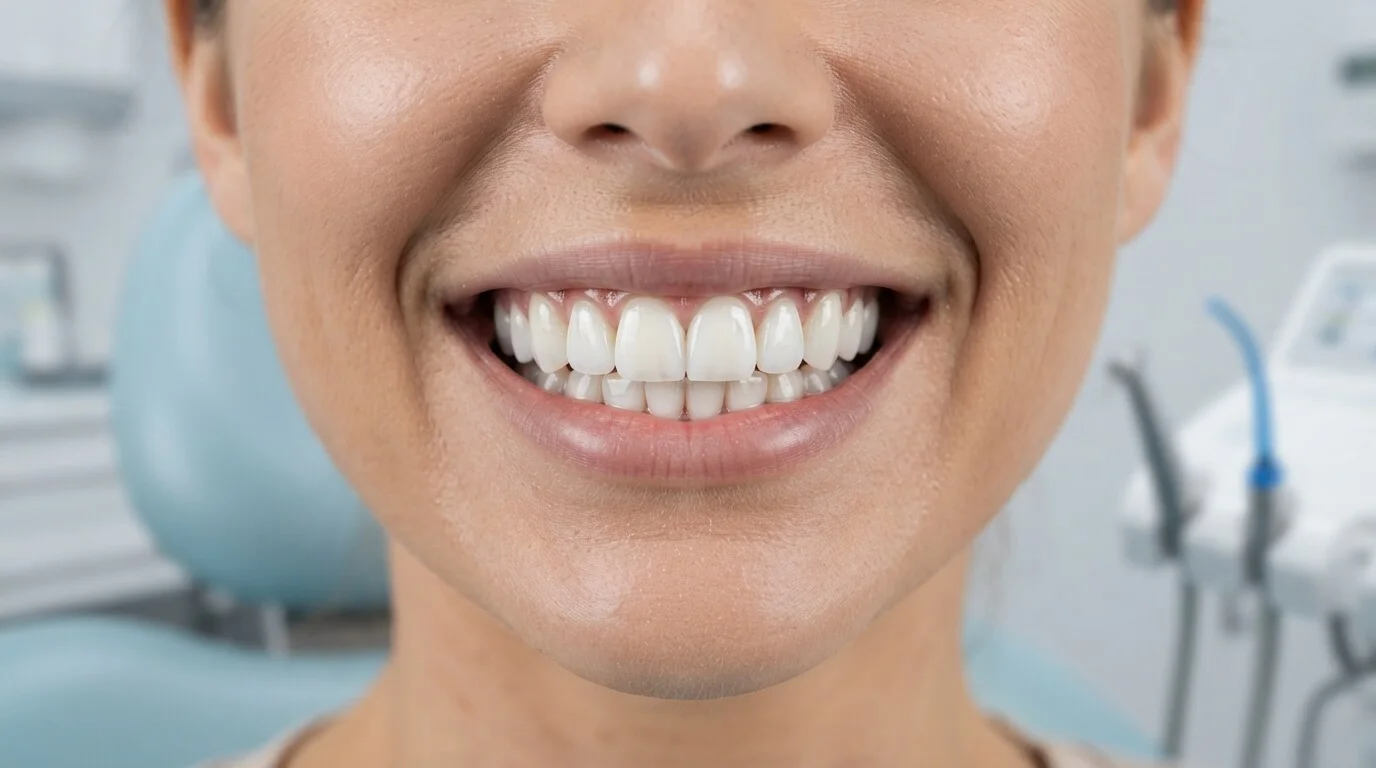

Turkey Teeth: A Complete Guide to Costs, Benefits, Risks, and Results
A bright, confident smile can completely transform how you feel about yourself. Over the last few years, the phrase Turkey teeth has become increasingly popular, especially on social media. Thousands of people travel to Turkey every year for cosmetic dental treatments because the country offers modern clinics, experienced dentists, and significantly lower prices than many Western countries.
But is getting dental work abroad always a smart decision? What exactly does “Turkey teeth” mean? Is it safe, or is it simply a trend fueled by influencers?
Think of your teeth like the foundation of a house. If the foundation is strong, everything built on top lasts longer. Cosmetic improvements can make your smile beautiful, but protecting the natural structure underneath is even more important.
This guide covers everything you need to know before deciding whether Turkey teeth are right for you.
 1. What Are Turkey Teeth?
Despite its popularity, Turkey teeth is not an official dental procedure.
Instead, it refers to cosmetic dental treatments completed in Turkey, usually involving:
- Porcelain veneers
- Zirconia crowns
- Dental implants
- Teeth whitening
- Smile makeovers
Many celebrities and influencers have documented their dental transformations after visiting Turkey, making the phrase widely recognized.
2. Why Is Turkey Famous for Dental Tourism?
Turkey has become one of the world’s leading destinations for dental tourism for several reasons.
Affordable Prices
Dental treatment often costs 50% to 70% less compared to countries like the UK, USA, Canada, and Australia.
Modern Clinics
Many clinics use advanced digital scanning, CAD/CAM technology, and internationally recognized materials.
Experienced Dentists
Many Turkish dentists receive international training and perform cosmetic procedures daily.
Vacation Opportunity
Patients often combine treatment with sightseeing, beaches, shopping, and historical attractions.
3. Treatments Included Under Turkey Teeth
The phrase covers multiple cosmetic procedures rather than one single treatment.
Dental Veneers
Thin shells bonded to the front of natural teeth.
They improve:
- Shape
- Size
- Color
- Minor gaps
Dental Crowns
Crowns completely cover damaged teeth.
Unlike veneers, they require significant reshaping.
Dental Implants
Used when teeth are missing.
Implants replace both the root and visible tooth.
Professional Whitening
Ideal for patients who simply want brighter natural teeth.
4. Veneers vs Crowns
This is one of the biggest misunderstandings surrounding Turkey teeth.
Veneers
Advantages
- Preserve more natural tooth
- Natural appearance
- Long lifespan
- Less invasive
Best For
- Healthy teeth
- Cosmetic improvements
Crowns
Advantages
- Strong protection
- Suitable for damaged teeth
- Long-lasting
Disadvantages
- More tooth reduction
- Irreversible
Some clinics unnecessarily recommend crowns for healthy teeth, so always ask why a specific treatment is necessary.
5. The Treatment Process
The journey usually follows several steps.
Initial Consultation
Patients send:
- Photos
- X-rays
- Medical history
The clinic prepares a treatment plan.
Travel to Turkey
Most patients stay between five and ten days.
Preparation
If receiving crowns or veneers, the dentist reshapes the teeth.
Temporary teeth may be fitted.
Laboratory Work
Dental technicians create customized restorations.
Final Fitting
The permanent veneers or crowns are attached after checking:
- Fit
- Bite
- Appearance
- Comfort
6. Benefits of Getting Dental Work in Turkey
Lower Costs
One of the biggest attractions is affordability.
Even after flights and accommodation, many patients save thousands.
Fast Appointments
Unlike long waiting lists elsewhere, many clinics offer treatment within days.
High Technology
Digital impressions provide greater accuracy than traditional molds.
Comprehensive Packages
Many clinics include:
- Airport transfers
- Hotel accommodation
- Consultation
- Medication
- Follow-up appointments
7. Potential Risks and Disadvantages
While many patients enjoy excellent results, there are important risks.
Over-Treatment
Some clinics remove too much healthy tooth structure.
Poor Quality Clinics
Not every clinic follows the same standards.
Research is essential.
Follow-Up Care
If problems develop after returning home, finding local dentists willing to fix someone else’s work can be difficult.
Travel Complications
Unexpected delays may affect treatment schedules.
8. How Much Do Turkey Teeth Cost?
Prices vary depending on:
- Materials
- Number of teeth
- Clinic reputation
- Dentist experience
Typical price ranges include:
| Treatment | Approximate Cost |
|---|---|
| Veneers | Lower than UK/USA pricing |
| Zirconia Crowns | Affordable compared to Western countries |
| Dental Implants | Significant savings |
| Smile Makeover | Varies by complexity |
Remember that the cheapest option isn’t always the best.
Quality should always come first.
9. Choosing the Right Dental Clinic
Choosing wisely greatly reduces risk.
Look for Reviews
Read genuine patient experiences on multiple platforms.
Check Credentials
Ensure dentists are properly qualified.
View Before-and-After Photos
Consistent, natural-looking results are a positive sign.
Ask Questions
Find out:
- Which materials are used?
- Is there a warranty?
- What happens if complications arise?
- How many years has the clinic operated?
Transparency usually indicates professionalism.
10. Recovery and Aftercare
Recovery depends on the treatment received.
Most patients experience:
- Mild soreness
- Temporary sensitivity
- Gum tenderness
Aftercare Tips
- Brush twice daily.
- Floss carefully.
- Avoid biting hard objects.
- Wear a night guard if recommended.
- Visit your local dentist regularly.
Proper care helps restorations last much longer.
11. Are Turkey Teeth Worth It?
The answer depends on your expectations and preparation.
If you choose a reputable clinic, understand the procedure, and follow aftercare advice, many patients achieve excellent long-term results.
However, cosmetic dentistry should never be rushed simply because of attractive prices or social media promotions.
Your natural teeth cannot grow back once significantly reshaped.
Taking time to research is one of the smartest investments you can make.
12. Final Thoughts
Turkey has become one of the world’s leading destinations for cosmetic dentistry, offering modern technology, skilled professionals, and affordable treatment options. While the savings can be substantial, success depends on choosing a reputable clinic rather than focusing solely on price.
A beautiful smile should enhance both appearance and oral health. By understanding the available treatments, comparing veneers and crowns, asking the right questions, and committing to proper aftercare, you can make an informed decision that benefits you for many years.
Frequently Asked Questions (FAQs)
1. Is getting Turkey teeth safe?
Yes, many clinics provide safe, high-quality treatment. Safety depends on choosing qualified dentists and accredited clinics rather than selecting the cheapest option.
2. How long do Turkey teeth last?
Porcelain veneers and zirconia crowns typically last between 10 and 20 years with excellent oral hygiene and regular dental checkups.
3. Are all Turkey teeth fake-looking?
No. High-quality cosmetic dentistry aims to create a natural-looking smile that complements your facial features. An overly white or bulky appearance is usually the result of poor planning or patient preference.
4. Do dentists shave healthy teeth for Turkey teeth?
It depends on the procedure. Veneers usually require minimal preparation, while crowns involve more extensive tooth reduction. A trustworthy dentist will recommend the least invasive option suitable for your needs.
5. Can I return home immediately after treatment?
Most patients stay in Turkey for several days to allow for fittings, adjustments, and final checks. Your dentist will advise when it is safe to travel based on your treatment plan.
