


Amplified Reviews: The Complete Guide to Building Trust Through Online Feedback
Online reviews have become one of the biggest influences on purchasing decisions. Whether you’re buying a smartphone, booking a hotel, choosing software, or hiring a local service, chances are you’ll read reviews first. Among the many review platforms and review strategies available today, Amplified Reviews has become a popular topic because it focuses on making authentic customer feedback more visible and influential.
Think of online reviews as modern-day word-of-mouth recommendations. Instead of asking one friend for advice, you’re listening to hundreds—or even thousands—of people who have already experienced the product or service. That’s the real power of amplified reviews.
This guide explores everything you need to know about amplified reviews, how they work, their benefits, potential drawbacks, best practices, and why they matter for both businesses and consumers.
1. What Are Amplified Reviews?
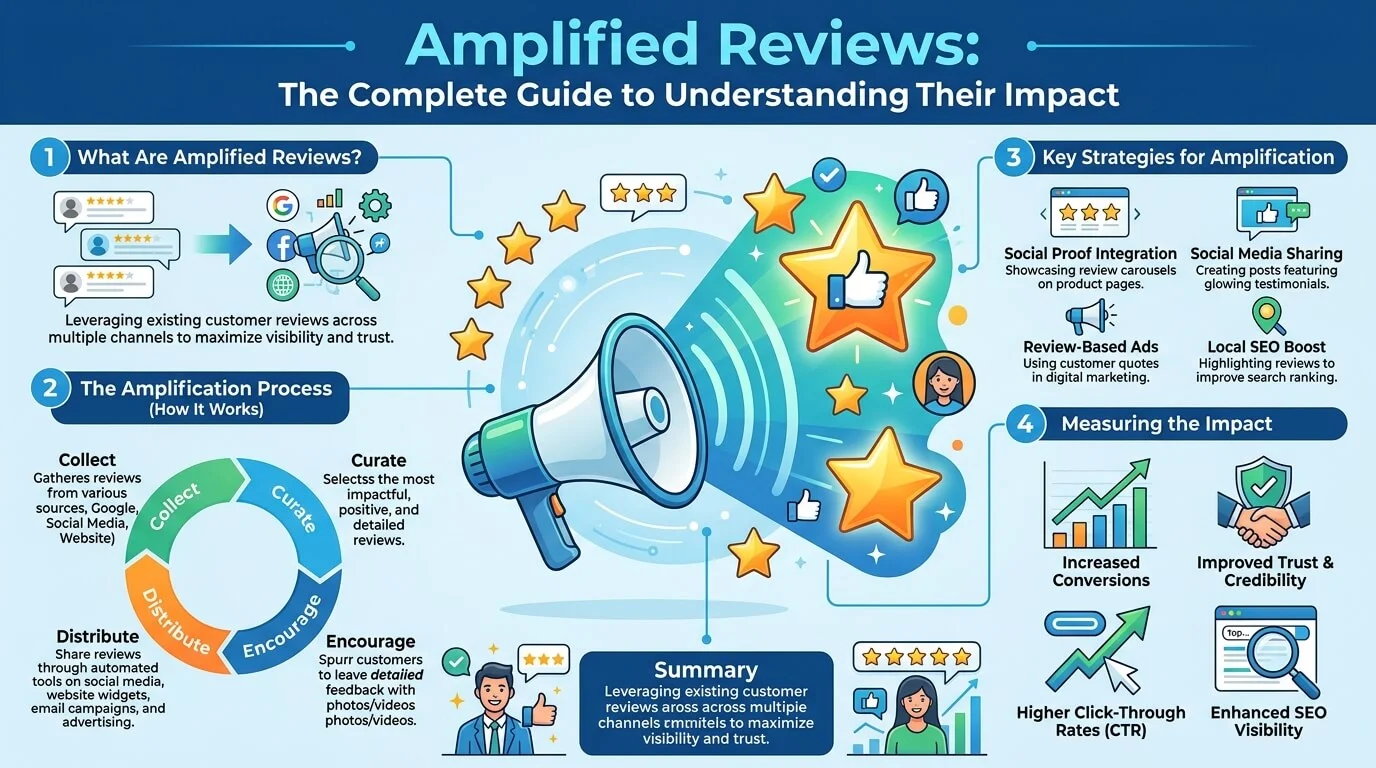
Amplified reviews refer to customer opinions that are intentionally highlighted and shared across multiple platforms to increase their visibility and impact. Instead of remaining on one website, these reviews may appear on social media, company websites, search engines, advertisements, and email campaigns.
Their goal is simple: allow genuine customer experiences to reach a wider audience.
Businesses use amplified reviews to build credibility while customers use them to make informed decisions.
2. Why Customer Reviews Matter
Building Confidence
People naturally trust the experiences of others. Reading positive feedback often removes hesitation before making a purchase.
Reducing Buying Risk
Reviews answer practical questions that product descriptions often miss.
For example:
- Is the product durable?
- Does it match the pictures?
- Is customer service helpful?
These insights reduce uncertainty.
Creating Social Proof
When hundreds of satisfied customers recommend something, new buyers feel more comfortable making the same choice.

3. How Amplified Reviews Work
Amplified reviews begin with genuine customer feedback.
The process generally follows these steps:
Customer Experience
A customer purchases a product or service.
Review Submission
The customer shares their opinion.
Verification
Many platforms verify whether the purchase actually occurred.
Amplification
Businesses highlight excellent reviews through:
- Company websites
- Social media
- Email newsletters
- Digital advertisements
- Search results
This increases exposure while maintaining authenticity.
4. Benefits for Consumers
Better Decisions
Honest reviews help buyers compare products more effectively.
Saving Time
Instead of researching for hours, consumers can quickly identify strengths and weaknesses through customer experiences.
Real-Life Experiences
Unlike advertisements, reviews usually discuss practical everyday use.
Transparency
Reviews reveal issues that marketing campaigns may never mention.
5. Benefits for Businesses
Businesses also gain significant advantages.
Improved Reputation
Positive customer experiences strengthen brand credibility.
Higher Conversion Rates
Visitors are more likely to purchase after reading trustworthy reviews.
Better Customer Relationships
Responding professionally to reviews demonstrates that businesses value customer opinions.
Valuable Feedback
Even negative reviews can reveal opportunities for improvement.
6. Features of High-Quality Reviews
Not all reviews provide equal value.
The best reviews are:
Specific
Instead of saying:
“Great product.”
A better review explains:
“I’ve used this vacuum cleaner daily for six months, and the battery still lasts over an hour.”
Balanced
Helpful reviewers mention both positives and negatives.
Honest
Authenticity is far more valuable than exaggerated praise.
Recent
Current reviews better reflect today’s products and services.
7. Common Challenges
Despite their value, amplified reviews also present challenges.
Fake Reviews
Some dishonest sellers create fake positive reviews.
Others may post false negative reviews about competitors.
Review Bombing
Large groups sometimes leave negative ratings unrelated to product quality.
Bias
People with extremely positive or negative experiences are often more likely to leave reviews than average customers.
Understanding these challenges helps readers evaluate reviews more critically.
8. Tips for Writing Helpful Reviews
Writing useful reviews benefits everyone.
Be Honest
Share your genuine experience.
Include Details
Mention:
- Product quality
- Delivery
- Customer service
- Ease of use
- Value for money
Stay Respectful
Avoid personal attacks.
Focus on the experience rather than emotions.
Add Context
Explain how long you’ve used the product.
This helps future buyers understand your perspective.
9. Managing Online Reputation
Businesses cannot simply collect reviews—they must actively manage them.
Respond Promptly
Thank customers for positive feedback.
Address negative experiences professionally.
Encourage Reviews
Satisfied customers are often happy to leave reviews when politely asked.
Monitor Multiple Platforms
Customers leave feedback across many websites.
Regular monitoring helps maintain a consistent reputation.
Learn From Feedback
Constructive criticism often highlights areas needing improvement.
10. Avoiding Fake Reviews
Consumers should remain cautious.
Some warning signs include:
- Extremely vague praise
- Repeated wording
- Numerous reviews posted simultaneously
- Unrealistic perfection
- Lack of purchase details
Reading multiple reviews rather than relying on one provides a clearer picture.
11. The Future of Online Reviews
Technology continues to shape the review landscape.
Emerging trends include:
Artificial Intelligence
AI helps detect suspicious review patterns while improving moderation.
Verified Purchases
More platforms now verify purchases before allowing reviews.
Video Reviews
Short videos provide additional authenticity.
Voice Search
As voice assistants become more common, reviews increasingly influence spoken recommendations.
Personalized Recommendations
Future review systems may tailor suggestions based on individual preferences and buying habits.
12. Final Thoughts
Amplified reviews have transformed how people make purchasing decisions. They create transparency, encourage accountability, and empower customers to share their experiences with a wider audience.
For consumers, they reduce uncertainty and improve confidence before making purchases. For businesses, they build trust, strengthen brand reputation, and provide valuable insights for continuous improvement.
Like a lighthouse guiding ships safely to shore, amplified reviews help buyers navigate the crowded marketplace with greater confidence. While no review system is perfect, learning to recognize authentic, detailed, and balanced feedback allows everyone to make smarter choices.
Ultimately, the success of amplified reviews depends on honesty, transparency, and meaningful customer experiences.
Frequently Asked Questions (FAQs)
1. What are amplified reviews?
Amplified reviews are customer reviews that are promoted across multiple platforms to increase their visibility and influence while helping consumers make informed purchasing decisions.
2. Why are amplified reviews important?
They provide social proof, improve trust, support informed buying decisions, and help businesses build stronger reputations.
3. How can businesses encourage authentic reviews?
Businesses can politely request feedback after purchases, make reviewing simple, and respond professionally to customer comments without offering misleading incentives.
4. How can consumers identify fake reviews?
Look for detailed experiences, verified purchases, balanced opinions, and consistent language while avoiding reviews that seem overly generic or excessively positive.
5. Will online reviews become more important in the future?
Yes. As digital shopping continues to grow, verified reviews, AI-powered moderation, and video testimonials are expected to play an even greater role in helping consumers make confident purchasing decisions.
