

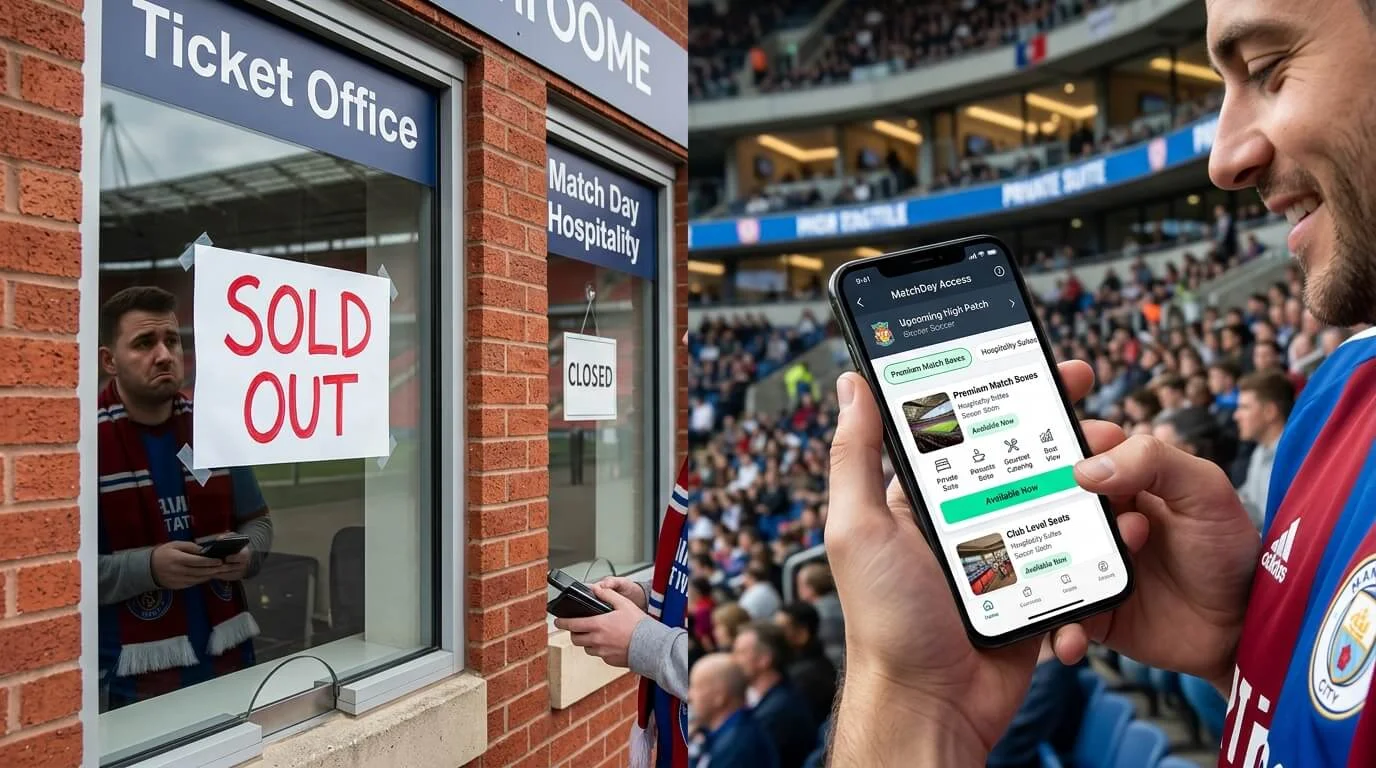

Box Office Sold Out? How Secondary Marketplaces Grant Access to Premium Match Boxes
The operational environment of elite stadium attendance in the United Kingdom has undergone a significant transformation by 2026. Securing access to high-profile football events is no longer merely a matter of monitoring public box office calendars, as demand for general admission and premium hospitality areas consistently outstrips physical venue capacities. For high-net-worth individuals, international corporate groups, and casual supporters looking to experience top-tier fixtures from the comfort of private match boxes, the primary market introduces substantial structural barriers. When club box office allocations are completely exhausted, navigating alternative transaction avenues safely requires a technical understanding of stadium infrastructure, long-term corporate leasing systems, and secondary market escrow safety protocols. Securing valid premium seating involves navigating highly insulated distribution networks that are often invisible to the general public. This guide provides an analytical breakdown of how executive suites are allocated, the security risks associated with unverified high-value ticket transfers, and the digital mechanisms modern marketplaces deploy to safeguard matchday operations.
The Architectural and Operational Layout of Stadium Hospitality Zones
Modern multi-purpose sports arenas across the UK are designed with extensive mid-tier configurations dedicated entirely to premium match boxes, executive suites, and corporate lounges. These luxury enclosures run parallel to the touchlines within the grandstand structures, positioned strategically to offer optimal, unobstructed sightlines of the entire playing surface. Unlike general admission sections, premium zones operate with dedicated VIP entry perimeters, private elevator networks, and independent concourse ecosystems that are strictly isolated from standard supporter traffic flows.
The operational management of these zones requires highly synchronized logistics, as clubs coordinate high-end catering, hospitality personnel, and private security forces simultaneously across dozens of private suites. For international groundhoppers or domestic corporate clients seeking these spaces, understanding the specific layout of the host venue is essential. Because every stadium distributes its hospitality inventory differently—ranging from single-box tenancies to expansive multi-room corporate lounges—the process of acquiring these seats varies considerably. Sourcing standard premier league football tickets directly from club offices has become virtually impossible for high-profile matches, as premium blocks are heavily rationed to support commercial partnerships, leaving casual groundhoppers completely reliant on alternative distribution channels.
The Administrative Realities of Executive Box Allocation
The primary distribution of private match boxes and executive suites is heavily insulated from the standard consumer market by multi-year commercial leasing agreements. Major clubs do not offer premium box seating to the general public through standard box office windows; instead, these high-value spaces are leased to multinational corporations, long-term commercial sponsors, and high-net-worth internal club members on a seasonal or multi-season contractual basis. These corporate lessees pay substantial annual fees to secure exclusive access to their designated suites for all competitive domestic and European fixtures.
Because these corporate allocations are locked into long-term contracts well before the season begins, the public tracking of available football tickets remains highly volatile. On specific matchdays, a corporate leaseholder may discover that their executive suite will sit empty due to schedule conflicts, business travel, or changes in corporate entertainment budgets. When primary club windows close and these premium spaces remain unused by their official owners, the inventory enters a complex secondary ecosystem. However, because clubs impose strict rules regarding who can access corporate lounges to maintain decorum and security, casual fans cannot simply inherit a corporate pass without formal system re-registration. This administrative barrier ensures that premium ticketing remains a highly restricted domain, requiring professional verification systems to reallocate unused corporate assets safely to external matchgoers.
High-Value Financial Risks on Unverified Broker Networks
The immense prestige associated with watching top-tier English football from an executive box has made the premium secondary market a primary target for sophisticated digital fraud. Because corporate tickets command substantial financial premiums, unregulated public forums, professional networking platforms, and peer-to-peer messaging networks are heavily targeted by anonymous ticket syndicates. These fraudulent entities frequently pose as corporate travel agents or authorized corporate hospitality brokers, distributing duplicated or entirely counterfeit digital credentials to unsuspecting international buyers.
The primary risk in these unverified environments stems from the fact that modern corporate passes are distributed via software links rather than physical tokens. An anonymous online seller can distribute an identical digital invitation link to multiple buyers simultaneously. The first individual to approach the VIP hospitality turnstiles will successfully clear the perimeter, while subsequent groundhoppers holding the duplicate link face immediate denial of entry and potential legal scrutiny by stadium compliance teams. Direct bank transfers or peer-to-peer digital payments to unverified individuals offer zero consumer protection, leaving buyers exposed to severe financial losses and completely disrupted itineraries. To mitigate these systemic security threats, supporters must completely bypass individual social media brokers trading live football tickets via open communication platforms and rely strictly on identity-verified trading marketplaces.
Secure Secondary Marketplaces and Escrow Safeguards
To bridge the gap between locked corporate inventories and the global demand for luxury matchday experiences, specialized third-party exchanges have developed automated security frameworks designed to handle high-value transactions. These platforms function as professional intermediaries, converting high-risk peer-to-peer transfers into highly regulated, transparent commercial operations that protect both corporate sellers and private buyers.
The foundational element of this consumer protection framework is the automated buyer escrow system. Supporters who want to buy premier league tickets without maintaining long-term corporate relationships or paying exorbitant multi-year lease fees must select platforms that implement this specific transactional architecture. For guaranteed bookings, verified digital suite delivery, and complete financial security, fans can evaluate live global premium inventories directly at https://www.fanpass.net/. This marketplace architecture secures the transaction by holding the buyer’s funds in an independent escrow account, preventing the seller from accessing the payment until the matchday has successfully concluded and the digital pass has cleared the automated stadium turnstiles. Furthermore, this secure dual-sided framework allows corporate entities or private suite holders to sell football tickets legally when their personal schedules conflict, providing a controlled, identity-verified alternative to public message boards. By removing anonymity from the trading process, the marketplace eliminates the threat of barcode duplication, ensuring that casual fans can acquire premium seating safely.
Digital VIP Onboarding and NFC Executive Gate Rules
By 2026, entering an executive suite or premium match box at a major UK football stadium relies entirely on precise mobile configuration and near-field communication protocols. Premium hospitality areas enforce strict electronic validation checkpoints that completely separate corporate attendees from general admission pedestrian queues. Legacy entry mechanisms, such as physical plastic VIP passes, printed paper confirmation sheets, or email vouchers, have been completely decommissioned by stadium operations.
Automated hospitality turnstiles validate all entries using real-time cryptographic handshakes, meaning that a compatible smartphone loaded with a live digital token serves as your exclusive stadium pass. Once a premium transfer is finalized via a secure escrow platform, the live pass must be integrated directly into Apple Wallet or Google Wallet applications. The electronic gate sensors will immediately flag static screenshots of barcodes, photographic copies, or video recordings as invalid, resulting in immediate turnstile rejection. It is an absolute operational requirement that executive matchgoers have Near Field Communication enabled in their device settings prior to entering the VIP reception lines. Furthermore, the internal lounges, private bars, and concourse restaurants operate on a 100% cashless basis, requiring contactless credit cards or mobile payment setups for all premium retail purchases. Ensuring your smartphone is fully updated and charged prevents unnecessary delays at the high-security hospitality cordons. These specialized NFC turnstile configurations for premium premier league tickets validate entries seamlessly, protecting the exclusive nature of the corporate levels.
Strategic Transit Management for Premium Matchgoers
Managing transit logistics during high-volume match weeks is a critical component of ensuring public safety across major UK sports hubs. Transport authorities and local police forces implement highly specialized crowd-control barriers, rolling road closures, and strict pedestrian segregation corridors to manage the movement of over sixty thousand people simultaneously. The transit routes and rail stations directly adjacent to stadium perimeters experience extreme saturation immediately following the final whistle, with post-match wait times for standard light rail or underground platforms frequently exceeding forty-five minutes.
For corporate guests and premium match box attendees, navigating these bottlenecks requires a proactive travel strategy. While many general admission fans crowd into the immediate stadium transport hubs, premium spectators often utilize alternative transport corridors situated slightly outside the core police cordons. Private hire vehicles and executive shuttle services are strictly regulated on matchdays, with specific security rings blocking vehicle access to the immediate stadium footprint. Knowing where these vehicle drop-off zones intersect with alternative pedestrian walkways allows corporate travelers to approach the executive gates with minimal friction. Ensuring you hold verified football tickets before boarding municipal transport networks or approaching private drop-off zones guarantees a smooth transition through outer transport security rings, where transit police verify matchday credentials during high-profile local derbies. Stewards check for valid football tickets prior to authorizing entry to private parking facilities or hospitality check-in areas, making early arrival an essential logistical decision.
Conclusion
Successfully executing a premium matchday experience at an executive box in 2026 relies entirely on technical preparation, secure transaction decisions, and proactive route planning. Adapting to the completely paperless, cashless stadium environments and ensuring your mobile device is properly configured with a live NFC wallet pass are the most critical steps to avoiding gate delays at the VIP hospitality lines. Sourcing your seating through protected escrow platforms completely eliminates the financial risks associated with counterfeit digital passes, ensuring that high-value football tickets yield valid admission at the turnstiles. By organizing your travel routes via strategic, secondary transit corridors and anticipating local security requirements, you can navigate the busy metropolitan networks safely and focus entirely on enjoying the elite sporting action from the country’s most exclusive vantage points.
