

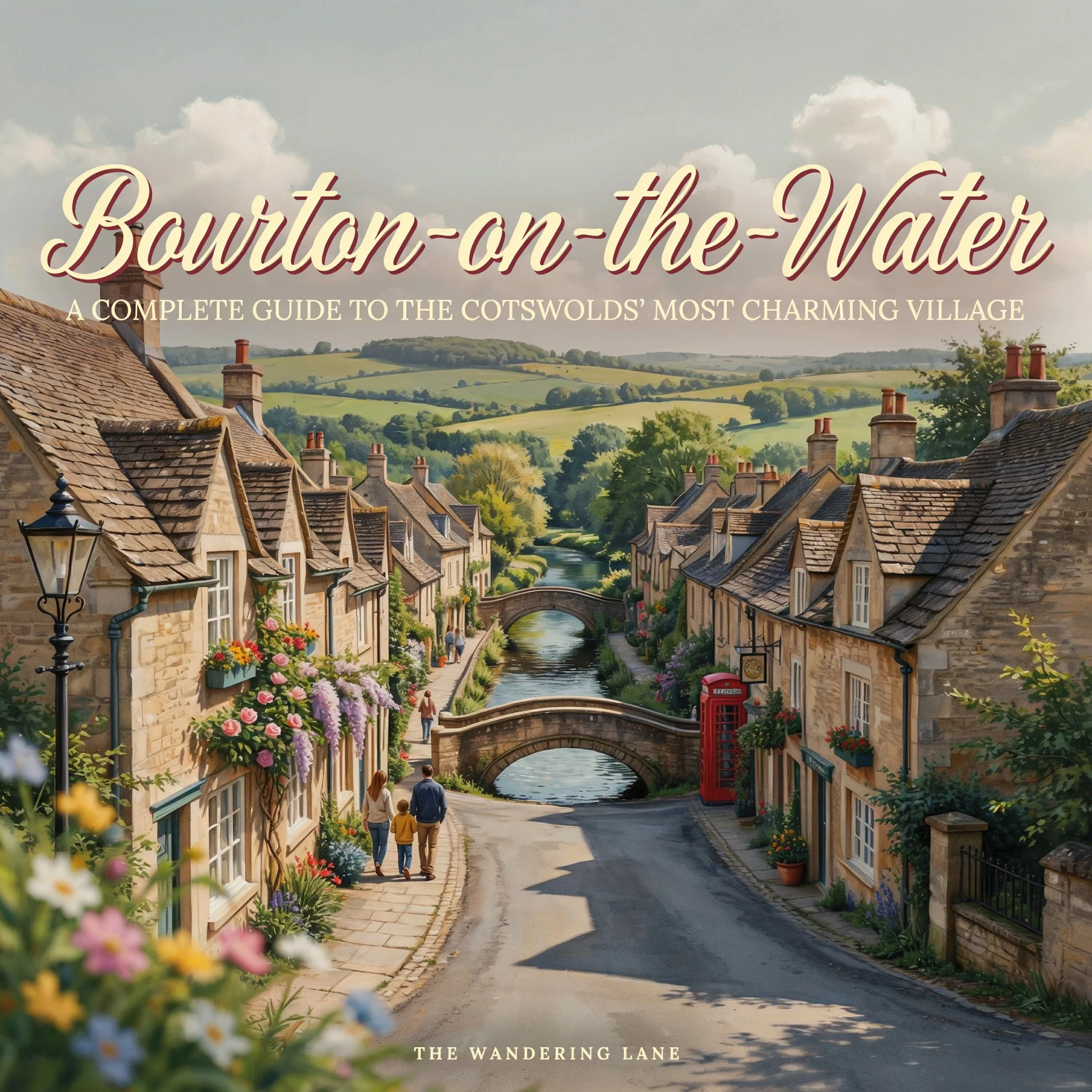

If there’s one English village that looks like it has stepped straight out of a storybook, it’s Bourton-on-the-Water. Tucked into the heart of the Cotswolds in Gloucestershire, this much-loved village is famous for its honey-colored stone cottages, low stone bridges, and the gentle River Windrush flowing through the center like a silver ribbon. It’s often called the “Venice of the Cotswolds,” and once you see those little bridges arching over the water, you’ll understand why.
But here’s the thing: Bourton-on-the-Water is not just a pretty place for photos. It’s a village with real character, real history, and a real knack for making visitors slow down and enjoy the simple things—an afternoon tea by the river, a stroll through quiet lanes, or the thrill of finding a hidden corner away from the crowds. Think of it as a beautifully wrapped gift box: the outside is lovely, but the real joy is in opening it and discovering everything inside.
Whether you’re planning a day trip, a weekend escape, or simply dreaming about future travels, this guide will walk you through what makes Bourton-on-the-Water so special, what to do when you get there, and how to make the most of your visit.

1. Where Is Bourton-on-the-Water?
Bourton-on-the-Water is a village in Gloucestershire, England, set within the Cotswolds, one of the country’s most beloved countryside regions. The Cotswolds are known for rolling hills, old stone villages, winding lanes, and a kind of calm beauty that feels almost timeless. Bourton sits in the broad valley of the River Windrush, and that riverside setting is one of the main reasons it stands out from other Cotswold villages.
Its location makes it an easy stop on a wider Cotswolds itinerary. Visitors often combine it with nearby places like Stow-on-the-Wold, Bibury, Burford, or Moreton-in-Marsh. If you’re touring the region by car, Bourton-on-the-Water fits naturally into a scenic route through some of England’s prettiest countryside.
What makes its setting so appealing is the balance it offers. You get the postcard-perfect village center, but you’re never far from fields, walking trails, and quieter green spaces. So while it’s one of the best-known spots in the Cotswolds, it still has moments that feel peaceful and personal—especially if you wander a little beyond the busiest streets.
2. Why Is Bourton-on-the-Water So Famous?
The short answer? It’s beautiful in a very easy-to-love way.
Bourton-on-the-Water is famous for the River Windrush flowing through the village center and the series of low stone bridges that cross it. Those bridges, along with the broad village greens and rows of honey-colored buildings, create one of the most photographed scenes in the Cotswolds. That’s why the village is often called the Venice of the Cotswolds.
But beauty alone doesn’t explain its popularity. The village also works well as a visitor destination because it has a little bit of everything:
- Iconic scenery that feels instantly memorable
- Family attractions that go beyond just looking around
- Tea rooms, pubs, and independent shops close together in a walkable center
- A riverside layout that makes even a casual stroll feel special
- A classic Cotswold atmosphere without feeling too remote
There’s also something emotionally appealing about the place. It feels gentle. Unhurried. Welcoming. In a world where travel can sometimes turn into a checklist of must-sees and must-posts, Bourton-on-the-Water invites you to just sit by the water with an ice cream and watch the day drift by. And honestly, that’s part of its magic.
3. A Brief History of the Village
Like many English villages, Bourton-on-the-Water has roots that stretch back much further than its tidy shopfronts might suggest. The area around the village has a long history of settlement, and nearby Salmonsbury Camp points to Iron Age activity in the area. Over time, Bourton developed into an important local settlement thanks to its position in the Cotswolds and its access to water and routes through the countryside.
The village you see today grew gradually, shaped by farming, trade, and the local stone that gives the Cotswolds its famous golden look. Many of Bourton’s buildings reflect traditional regional architecture, and the village center is protected as a Conservation Area, which helps preserve its historic character.
In the 19th century, the arrival of the railway made Bourton more accessible, and tourism slowly became part of its identity. Today, it attracts far more visitors than its permanent population would suggest. That popularity brings both energy and pressure, but it also explains why the village has such a strong mix of visitor-friendly attractions, food spots, and accommodation.
History in Bourton isn’t always loud or dramatic. It’s quieter than that. It’s in the stone walls, the bridge arches, the churchyards, and the rhythm of a place that has welcomed travelers for generations.

4. The River Windrush and the Famous Bridges
If Bourton-on-the-Water has a heart, it’s the River Windrush.
The river runs right through the center of the village, bordered by grassy banks, footpaths, and some of the most recognizable stone bridges in the Cotswolds. These low arched bridges are part of what gives Bourton its signature look. Instead of towering over the water, they sit close to it, almost like stepping stones designed by a patient giant. They make the whole village feel intimate and open at the same time.
Why the bridges matter
The bridges are more than decorative features. They shape the way you experience the village. As you walk from one side of the river to the other, you’re constantly getting new views—water sparkling in the sun, ducks gliding under the arches, children paddling on a warm day, and rows of stone buildings reflected in the shallows.
The riverside atmosphere
In summer, the banks become a social space. People sit with takeaway coffees, families dip their feet in the water, and photographers hover like happy treasure hunters waiting for the perfect shot. In autumn and winter, the mood changes completely. The crowds thin, the air sharpens, and the village feels softer and more reflective.
If you do nothing else in Bourton-on-the-Water, spend time by the river. Not rushing. Not checking your phone every two minutes. Just being there. That’s where the village really introduces itself.
5. Top Attractions in Bourton-on-the-Water
For a small village, Bourton packs in a surprising number of attractions. That’s one reason it works so well for families, couples, and day-trippers alike.
The Model Village
One of the most famous attractions is The Model Village, a miniature replica of Bourton-on-the-Water itself. It’s charming, quirky, and oddly fascinating. There’s something delightful about seeing the village recreated in tiny detail, almost like stepping into a postcard of a postcard.
Cotswold Motoring Museum
The Cotswold Motoring Museum is another favorite. It’s not just for car enthusiasts. Yes, there are classic vehicles and motoring memorabilia, but there’s also a strong sense of nostalgia—old signs, toys, and reminders of everyday life from another era. It’s the kind of place where grandparents, parents, and kids can all find something to smile about.
Birdland Park & Gardens
If you’re traveling with children—or simply like wildlife—Birdland Park & Gardens is a solid choice. It features a wide variety of birds in landscaped grounds and has long been one of the village’s headline attractions.
Dragonfly Maze
This is a lighter, playful stop that works especially well for families. It’s not a giant attraction, but that’s part of its charm. Bourton does well with places that feel manageable rather than overwhelming.
Local churches and historic corners
Not every attraction comes with a ticket desk. A simple wander through the older parts of the village, a look inside St Lawrence Church, or a pause in one of the quieter lanes can be just as rewarding.
6. Best Things to Do Beyond the Main Sights
The best experiences in Bourton-on-the-Water aren’t always the obvious ones.
Sit by the river and people-watch
It sounds simple because it is simple. Find a bench, buy a drink, and watch the village go by. There’s a rhythm to the place that you only notice when you stop trying to “do” everything.
Explore early in the morning
If you can stay overnight—or arrive before the day-trippers—you’ll see a different side of Bourton. The light is softer, the streets are quieter, and the village feels much more like a lived-in place than a tourist attraction. Visitors on Reddit often mention how peaceful Bourton feels in the early morning before the crowds arrive.
Photograph the village from different angles
Most people take the classic bridge-and-river photo, but Bourton rewards curiosity. Try side lanes, reflections in the water, close-ups of stonework, or evening shots when the village calms down.
Take a slower lunch
Instead of grabbing the first thing you see, make time for a proper lunch in a pub garden or tearoom. Bourton suits unhurried meals.
Use it as a base
If you’re spending several days in the Cotswolds, Bourton can work as a comfortable base for exploring nearby villages and walking routes.
7. Where to Eat and Drink in the Village
Food is part of the Bourton experience, even if you’re only visiting for a few hours. The village has a good mix of traditional pubs, tearooms, cafés, bakeries, and casual lunch spots, many within easy walking distance of the river.
Tearooms and afternoon treats
You can’t really come to the Cotswolds and ignore the pull of tea and cake. Bourton is full of places where you can settle in for scones, sandwiches, pastries, or a cream tea. It’s a lovely match for the village’s relaxed atmosphere.
Classic pub meals
If you’re after something heartier, the local pubs are often the best bet. Expect familiar British favorites—pies, fish and chips, Sunday roasts, burgers, and seasonal specials. On cooler days, a pub lunch in a centuries-old building feels exactly right.
Riverside snacking
Sometimes the best meal isn’t a full meal at all. An ice cream, a pastry, or a takeaway coffee enjoyed beside the Windrush can be just as memorable.
My advice? Avoid the temptation to pick a place simply because it’s closest to the busiest bridge. Walk a little. Read the menu. See where feels comfortable. Bourton is a village best enjoyed at a human pace, not a rushed one.
8. Shopping, Souvenirs, and Local Finds
Bourton-on-the-Water isn’t a shopping destination in the big-city sense, and that’s exactly why it’s enjoyable. The village center has a mix of gift shops, local craft stores, clothing boutiques, galleries, sweet shops, and specialty stores.
What you’ll find
You’re likely to come across:
- Cotswold-themed gifts and homeware
- Locally inspired artwork and prints
- Handmade crafts and seasonal decorations
- Fudge, sweets, jams, and edible treats
- Small souvenirs that actually feel tied to the place
What makes shopping here appealing
The best part is the scale. You can browse without committing half a day to it. It’s easy to pop into a shop between attractions or after lunch, and the village setting makes the whole experience feel relaxed rather than commercial.
If you’re someone who likes bringing back one small thing from a trip—a book, a print, a jar of local jam—Bourton is a good place for that kind of souvenir. It’s not about buying lots. It’s about taking home something that reminds you of the mood of the place.
9. Walks, Nature, and the Countryside Around Bourton
One of Bourton’s strengths is that it isn’t just about the village center. Step a little beyond the bridges and tea rooms, and you’ll find countryside, trails, and quieter corners that reveal another side of the area.
Greystones and nearby nature
Greystones is a particularly worthwhile spot if you want a break from the busiest tourist areas. It offers meadows, wildlife interest, and a gentler, more open landscape close to the village.
Walking routes
Bourton sits within a wider network of footpaths and long-distance walking routes, making it attractive for casual walkers and more serious hikers alike. The surrounding countryside has that classic Cotswold look: fields, stone walls, tree-lined paths, and views that feel soft rather than dramatic.
Why walking here feels different
Walking around Bourton and the surrounding area feels less like exercise and more like unwrapping the landscape one layer at a time. The village center is the cover image, but the paths beyond it are the full album. You get birdsong instead of traffic, open skies instead of shopfronts, and a better sense of why the Cotswolds have such a loyal following.
Even a short stroll before breakfast or after dinner can shift the whole mood of your visit.
10. The Best Time to Visit Bourton-on-the-Water
There isn’t one perfect season to visit Bourton-on-the-Water, but there is a perfect style of visit depending on what you want.
Spring
Spring is a lovely time to come. The village looks fresh, gardens start to wake up, and the weather is often mild enough for comfortable walking. It’s a great balance between scenery and manageable crowds.
Summer
Summer is the busiest season. The river becomes a focal point, children paddle in the water, and the village has a lively holiday atmosphere. If you enjoy energy and don’t mind crowds, summer can be a lot of fun. If you prefer peace, it may feel too busy in the middle of the day.
Autumn
Autumn is arguably one of the best times to visit. The colors add warmth to the already golden stone, the pace feels gentler, and the countryside walks become especially rewarding.
Winter
Winter gives Bourton a quieter, almost cinematic quality. On a crisp day, the village can feel magical. You won’t get the same outdoor buzz as summer, but you may get something better: space to breathe.
A practical tip
If possible, visit early or stay overnight. Bourton is popular, and timing can change your experience dramatically. A peaceful morning stroll can feel worlds apart from a packed afternoon in peak season. That’s a recurring theme in visitor discussions online too—early hours often reveal the village at its best.
11. How to Get There and Practical Travel Tips
Planning well can make a big difference, especially in a village as popular as this one.
By car
Driving is one of the easiest ways to reach Bourton-on-the-Water, especially if you’re exploring the wider Cotswolds. It gives you flexibility and makes it easier to combine several villages in one trip.
By train
Bourton-on-the-Water doesn’t currently have its own active railway station. Travelers usually use nearby stations such as Moreton-in-Marsh and then continue by taxi or bus.
Parking
Parking can be one of the trickiest parts of visiting during peak times. Arrive early if you’re driving, especially on weekends, school holidays, or sunny summer days.
Useful visitor tips
- Wear comfortable shoes even if you’re only planning a short wander
- Book accommodation early if staying overnight in peak season
- Expect crowds around lunchtime and near the main bridges
- Carry layers because English weather can change quickly
- Look beyond the center if you want a quieter experience
The village is easy to walk around, which is part of its appeal. Once you arrive, you can slow down and let the day unfold naturally.
12. Is Bourton-on-the-Water Worth Visiting?
Yes—if you go for the right reasons.
If you’re expecting a huge city-style list of attractions or hidden wilderness with nobody around, Bourton-on-the-Water may not be what you want. But if you’re looking for a place that combines beauty, charm, walkability, family-friendly attractions, riverside relaxation, and classic Cotswold character, then it absolutely earns its reputation.
What makes Bourton special isn’t just that it looks good in photographs. It’s that the village invites you into a slower, softer way of spending time. It reminds you that a trip doesn’t always need to be packed with adrenaline to be memorable. Sometimes the most satisfying travel moments are the quiet ones: hearing water move under a bridge, sharing cake at a tiny café, watching the light change on old stone buildings, or finding a footpath that leads away from the crowds into open countryside.
Bourton-on-the-Water can be busy, yes. At times, very busy. But it’s still worth it—especially if you stay long enough to catch the village in its calmer moods. Arrive early, wander slowly, and let yourself enjoy the details. That’s when Bourton stops being just a famous destination and starts feeling like a place you’ll want to return to.
Conclusion
Bourton-on-the-Water is one of those rare destinations that manages to live up to the picture in your head. The river, the bridges, the stone cottages, the tea rooms, the family attractions, the countryside walks—it all comes together to create a village that feels both iconic and approachable. Yes, it’s popular. Yes, it can get crowded. But beneath that popularity is a genuinely lovely place with real warmth and lasting appeal.
If you’re planning a Cotswolds trip, Bourton-on-the-Water deserves a spot on your list. And if you’ve never been to the Cotswolds before, it’s not a bad place to start. In fact, it might be the perfect introduction: scenic, welcoming, and full of small pleasures that stay with you long after the day ends.
FAQs About Bourton-on-the-Water
1. Why is Bourton-on-the-Water called the Venice of the Cotswolds?
Bourton-on-the-Water gets this nickname because the River Windrush runs through the center of the village and is crossed by a series of beautiful low stone bridges. The water-and-bridge setting gives the village a distinctive, romantic look.
2. Is Bourton-on-the-Water worth visiting for a day trip?
Yes, it’s an excellent day-trip destination. You can enjoy riverside walks, visit attractions like the Model Village or Cotswold Motoring Museum, eat in local cafés and pubs, and still have time to browse the shops.
3. What are the best things to do in Bourton-on-the-Water?
Popular things to do include walking along the river, visiting Birdland, exploring the Model Village, seeing the Cotswold Motoring Museum, shopping for local gifts, and taking countryside walks nearby.
4. When is the best time to visit Bourton-on-the-Water?
Spring and autumn are often the best times if you want pleasant weather with fewer crowds. Summer is lively and beautiful but usually much busier. Early mornings are ideal in any season.
5. How long do you need in Bourton-on-the-Water?
You can enjoy the highlights in half a day, but a full day is better if you want to include attractions, lunch, shopping, and a relaxed walk. An overnight stay is ideal if you want to experience the village when it’s quieter.
