

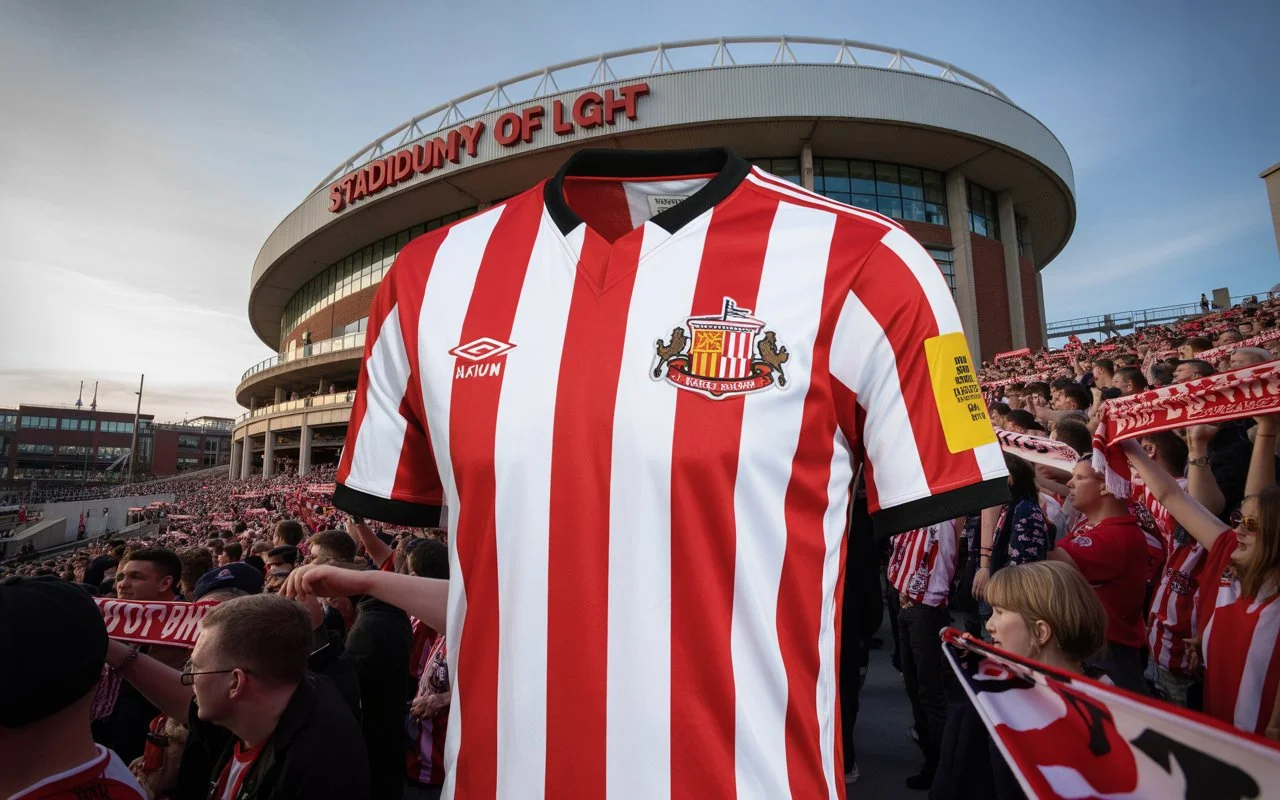

Football clubs are more than teams. They are memories, emotions, traditions, and communities rolled into one. Few clubs capture that spirit better than Sunderland A.F.C.. From dramatic victories to painful relegations, the club has experienced nearly every emotion football can offer. Yet through every rise and fall, one thing has remained constant: the unwavering passion of its supporters.
For many people, Sunderland feels like a lighthouse standing against stormy seas. Sometimes the waves crash hard, but the light never disappears. That resilience has made the club one of the most respected names in English football history.
Whether you are a lifelong supporter, a casual sports fan, or someone curious about football culture in England, this guide explores the history, identity, and future of Sunderland in a simple and engaging way.
1. Introduction to Sunderland A.F.C.
Sunderland A.F.C. is one of the oldest football clubs in England. Founded in the nineteenth century, the club has built a reputation for determination, pride, and passionate football culture.
Based in the city of Sunderland, the team represents a hardworking community with deep industrial roots. Football in Sunderland is not just entertainment. For many families, it is part of everyday life.
Over the decades, the club has competed at the highest levels of English football while also facing difficult periods in lower divisions. That journey has created a unique emotional connection between the club and its fans.
2. The Origins of the Club
A Humble Beginning
Sunderland was founded in 1879 by schoolteacher James Allan. Initially, the team was created for local teachers, but it quickly opened its doors to a wider group of players.
During the late Victorian era, football was rapidly becoming popular across England. Sunderland embraced that opportunity and soon became a major force in the sport.
Early Growth and Success
By the 1890s, Sunderland had already gained national attention. The club earned the nickname “The Team of All Talents” because of its strong performances and exciting style of play.
At a time when football was still developing, Sunderland stood out as one of England’s dominant teams.

3. Sunderland’s Historic Achievements
League Titles and Domestic Glory
Sunderland has won multiple English league championships throughout its history. Much of the club’s early success came before the modern Premier League era, but those victories still hold enormous significance.
The club also achieved one of its greatest moments in 1973 when Sunderland won the FA Cup against the mighty Leeds United.
That victory remains legendary because Sunderland was in the second division at the time. It was a classic underdog story that reminded the football world that anything is possible.
A Legacy Beyond Trophies
Success is not only measured in silverware. Sunderland’s legacy also comes from resilience, tradition, and loyalty. Even during difficult seasons, supporters continued filling stadium seats and standing behind the club.
4. The Importance of Stadium of Light
A Modern Football Home
The club currently plays at Stadium of Light, one of the largest football stadiums in England.
Opened in 1997, the stadium replaced the historic Roker Park and became a symbol of ambition and renewal for the club.
An Electric Matchday Atmosphere
When thousands of supporters sing together inside the stadium, the atmosphere can feel overwhelming in the best possible way. Visiting teams often describe it as intense and emotional.
The Stadium of Light is more than concrete and seats. It is the heartbeat of Sunderland football culture.
5. Loyal Supporters and Fan Culture
Passion Through Every Division
One remarkable thing about Sunderland supporters is their loyalty. Even during relegation battles and disappointing seasons, attendance levels have remained impressive.
Many clubs lose support when results decline, but Sunderland fans continue showing up. That dedication has earned admiration across the football world.
A Family Tradition
For many local families, supporting Sunderland is passed from generation to generation. Grandparents, parents, and children often attend matches together.
This creates a powerful emotional bond between the club and the community.
6. Famous Players and Managers
Legendary Footballers
Over the years, Sunderland has been home to many talented players. Names like Kevin Phillips, Niall Quinn, and Jermain Defoe remain popular among supporters.
Kevin Phillips became especially famous after winning the European Golden Shoe in 2000, scoring goals at an incredible rate.
Influential Managers
Managers have also shaped the club’s identity. Some brought tactical innovation, while others inspired players through leadership and determination.
Figures such as Peter Reid helped guide Sunderland through memorable periods in modern football history.
7. Rivalries That Define the Club
The Tyne-Wear Derby
Football rivalries create excitement, tension, and unforgettable drama. Sunderland’s biggest rivalry is with Newcastle United F.C..
Matches between the two clubs are known as the Tyne-Wear Derby and are among the fiercest rivalries in English football.
More Than Just a Game
For supporters, derby matches are emotional events that can influence local pride for months. Winning against Newcastle often means as much to fans as league position.
The intensity of the rivalry adds another layer to Sunderland’s football identity.
8. Memorable Matches and Moments
The 1973 FA Cup Triumph
One of the greatest shocks in football history occurred when Sunderland defeated Leeds United in the 1973 FA Cup Final.
Goalkeeper Jim Montgomery produced legendary saves, helping the underdogs secure an unforgettable victory.
Premier League Survival Battles
Sunderland has also been involved in dramatic survival escapes in the Premier League era. Supporters experienced emotional highs and lows as the club fought to remain in the top division.
These moments strengthened the connection between players and fans.
9. Sunderland in Modern Football
Relegation and Rebuilding
Recent years have been challenging for Sunderland. Consecutive relegations pushed the club down the English football pyramid.
However, setbacks often reveal true character. Instead of disappearing, Sunderland focused on rebuilding and reconnecting with its identity.
A New Sense of Hope
Supporters have remained optimistic about the future. Young talent, improved management, and renewed ambition have created fresh excitement around the club.
Football moves in cycles, and Sunderland fans believe brighter days are ahead.
10. Youth Development and Academy
Investing in Young Talent
Modern football clubs understand the value of youth academies. Sunderland has worked hard to develop young players capable of competing at high levels.
Academy systems provide opportunities for local youngsters to chase professional dreams.
Building for the Future
Developing youth talent also helps create financial stability. Instead of relying only on expensive transfers, clubs can build sustainable success through homegrown players.
This approach gives Sunderland a strong foundation for long-term growth.
11. The Impact of Media and Documentaries
Global Attention Through Streaming
The documentary series Sunderland ‘Til I Die introduced the club to millions of viewers worldwide.
The series showed not only football matches but also the emotional impact the club has on ordinary people.
Human Stories Behind Football
Viewers connected with Sunderland because the documentary felt honest and emotional. It highlighted struggles, hope, heartbreak, and resilience.
For many people unfamiliar with English football, the show became an introduction to the passion of lower-league football culture.
12. Financial Challenges and Recovery
The Cost of Modern Football
Running a football club is expensive. Sunderland faced financial difficulties during periods of poor performance and relegation.
Television revenue decreases significantly outside the Premier League, making recovery even harder.
Learning from Mistakes
The club has gradually adopted a more careful and sustainable approach. Better recruitment decisions and stronger planning have helped stabilize operations.
Supporters now hope the club can grow responsibly without repeating past mistakes.
13. Sunderland’s Community Influence
More Than a Football Club
Sunderland plays an important role in the local community. Charitable programs, youth initiatives, and educational projects help improve lives across the region.
Football clubs often act as social anchors, especially in working-class cities.
Uniting People
During difficult times, football can bring people together. Sunderland gives supporters a shared identity and common purpose.
That sense of belonging is one reason why football remains so powerful worldwide.
14. The Future of Sunderland A.F.C.
Ambitions for Promotion
The dream of returning permanently to the top level of English football continues motivating the club.
Supporters want to see Sunderland competing against elite teams once again.
Balancing Tradition and Modernization
Modern football changes quickly, but Sunderland’s greatest strength remains its traditions and supporters.
If the club successfully combines modern strategy with historic identity, the future could be extremely promising.
15. Conclusion
Sunderland A.F.C. is far more than a football team. It is a story of resilience, loyalty, heartbreak, and hope. Through triumphs and disappointments, the club has maintained a powerful connection with its supporters and community.
Like a ship sailing through rough waters, Sunderland has faced storms that could have broken weaker organizations. Yet the club continues moving forward, driven by passionate fans and a proud history.
Whether Sunderland returns to the highest level of English football soon or later, one thing is certain: the spirit of the club will never disappear.
FAQs
1. When was Sunderland A.F.C. founded?
Sunderland A.F.C. was founded in 1879 by schoolteacher James Allan.
2. What is Sunderland’s home stadium called?
The club plays at the Stadium of Light in Sunderland, England.
3. Who are Sunderland’s biggest rivals?
Their biggest rivals are Newcastle United, and matches between them are called the Tyne-Wear Derby.
4. What is Sunderland’s most famous achievement?
One of the club’s most famous achievements was winning the 1973 FA Cup against Leeds United.
5. Why is Sunderland famous worldwide?
The club gained international attention through its passionate supporters, historic football culture, and the Netflix documentary series “Sunderland ’Til I Die.”
