


Introduction
Some movies entertain us for two hours and then quietly fade from memory. Others stay with us like an old song playing softly in the background of our lives. The movie wallflower belongs to the second category. It is emotional, honest, and deeply relatable for anyone who has ever felt lonely, misunderstood, or unsure about where they fit in.
At its heart, this coming-of-age drama explores friendship, trauma, identity, love, and healing through the eyes of a shy teenager trying to navigate high school and life itself. The story feels like opening an old diary filled with raw emotions, awkward moments, and unforgettable memories. Whether you watched it as a teenager or discovered it later in life, the film has a way of connecting with people on a personal level.
In this article, we will explore every major aspect of the Movie Wallflower, from its storyline and characters to its themes, soundtrack, emotional impact, and cultural relevance.
1. Introduction to the Movie
The movie wallflower is based on a bestselling novel written by Stephen Chbosky, who also directed the film adaptation. Released in 2012, the movie quickly became popular among teenagers and adults alike because of its emotional honesty and relatable storytelling.
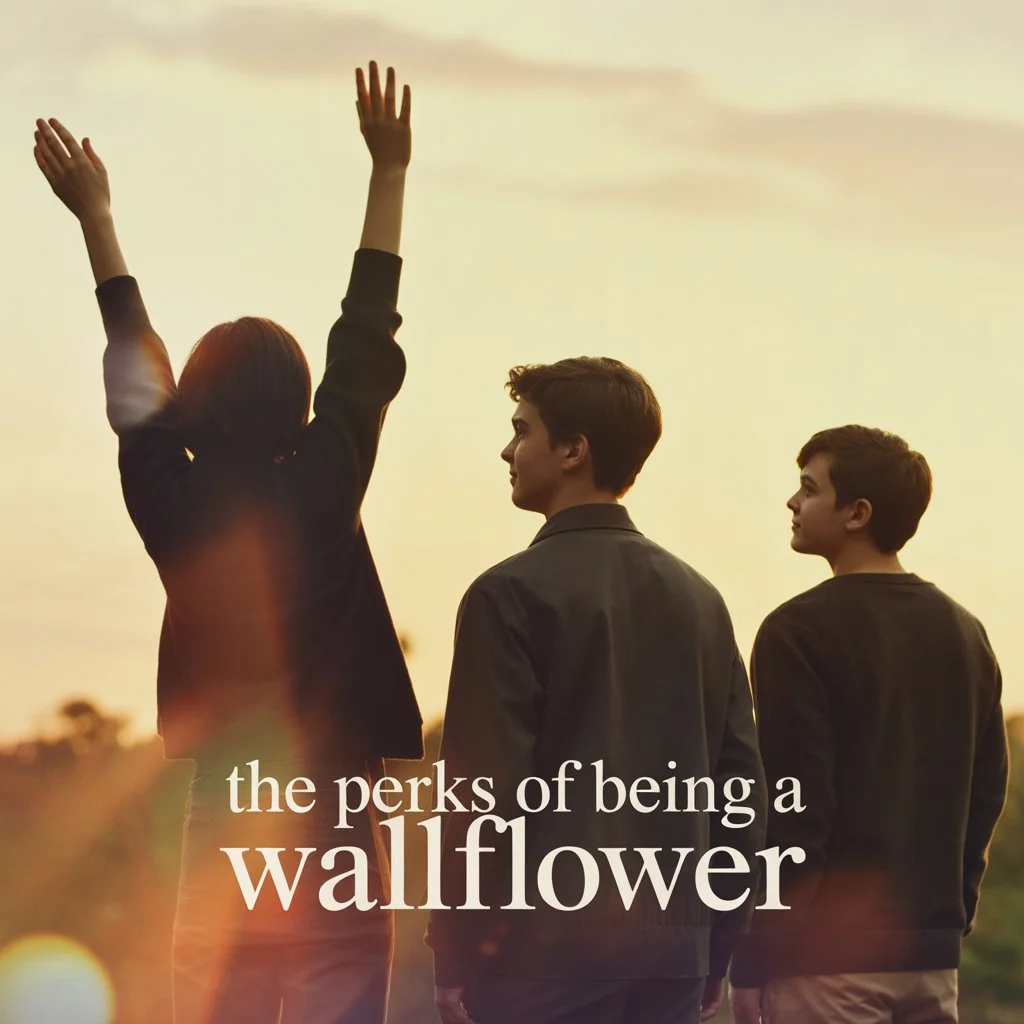
The story follows Charlie, an introverted freshman in high school who struggles with loneliness and painful memories from his past. His life changes when he meets two seniors, Sam and Patrick, who introduce him to friendship, music, parties, and emotional freedom.
Unlike many teenage dramas that focus only on romance or popularity, this film dives much deeper. It explores the quiet battles people fight inside themselves while trying to appear normal on the outside.

2. The Storyline Explained
The plot centers around Charlie, a thoughtful and socially awkward teenager starting high school after the tragic loss of his best friend. Charlie feels isolated and disconnected from the world around him. He spends much of his time observing others rather than participating.
Things begin to change when he befriends Sam and Patrick, two free-spirited seniors who welcome him into their circle. Through them, Charlie experiences first love, heartbreak, parties, music, and emotional connection for the first time.
However, beneath the surface lies unresolved trauma that slowly begins to affect his mental state. As the story unfolds, Charlie must confront painful truths about his past in order to heal.
The narrative feels deeply personal because it is told from Charlie’s perspective. Viewers see the world through his emotions, fears, and hopes.
3. Charlie: The Quiet Observer
A Character Many People Relate To
Charlie is not the loudest person in the room. In fact, he often fades into the background. Yet this quiet nature is exactly what makes him so compelling.
He notices details others ignore. He listens more than he speaks. He feels emotions intensely but struggles to express them. For many viewers, Charlie represents that inner voice we rarely show to the world.
His journey is both heartbreaking and inspiring because it reflects the reality of growing up while carrying emotional wounds.
His Emotional Complexity
Charlie’s sensitivity is portrayed with remarkable depth. He is intelligent and caring, yet fragile. At times, he appears overwhelmed by memories and emotions he cannot fully understand.
This emotional complexity makes him feel real rather than fictional. He reminds us that many people around us may be silently struggling even when they appear calm.
4. Sam and Patrick’s Influence
Sam as a Symbol of Freedom
Sam plays a major role in Charlie’s transformation. She is warm, understanding, and emotionally open. Charlie admires her deeply, not only because of romantic feelings but because she represents confidence and freedom.
She encourages Charlie to embrace life instead of hiding from it.
Patrick Brings Humor and Energy
Patrick adds humor and emotional warmth to the story. His charismatic personality balances Charlie’s introverted nature perfectly.
At the same time, Patrick faces his own struggles related to identity and acceptance. His experiences highlight how difficult it can be to stay true to yourself in a judgmental environment.
Together, Sam and Patrick become the emotional family Charlie desperately needs.
5. Themes of Friendship and Belonging
The Importance of Human Connection
One of the strongest themes in the film is belonging. Charlie spends much of his life feeling invisible until he finds people who truly accept him.
Friendship becomes a lifeline rather than just a social activity.
The movie beautifully shows how the right people can change someone’s entire outlook on life. Sometimes all a person needs is one genuine connection to feel less alone.
Chosen Families Matter
The bond between Charlie, Sam, and Patrick feels authentic because it goes beyond surface-level friendship. They support one another through heartbreak, insecurity, and emotional pain.
This idea of a “chosen family” resonates deeply with audiences who may not always feel understood in their everyday lives.

6. Mental Health and Emotional Struggles
A Sensitive Portrayal of Trauma
The film handles mental health with unusual care and sensitivity. Charlie’s emotional struggles are not treated as dramatic entertainment but as real psychological pain.
As the story progresses, viewers learn that Charlie’s trauma is connected to childhood experiences he has buried deep inside his memory.
The gradual revelation feels powerful because it mirrors how trauma often works in real life. Painful memories do not always disappear; sometimes they remain hidden until they resurface unexpectedly.
Breaking the Silence Around Mental Health
One reason the movie remains important today is its willingness to discuss mental health openly. It encourages viewers to recognize emotional suffering and seek help when needed.
The story reminds us that healing is not linear. It can be messy, confusing, and painful, but recovery is possible.
7. High School Reality in the Film
More Than Typical Teen Drama
Many high school films focus on stereotypes, popularity contests, or exaggerated comedy. This movie feels different because it captures emotional truth.
The awkward conversations, insecurity, first crushes, and fear of rejection feel authentic.
The Pressure of Growing Up
The characters constantly struggle with questions about identity and the future. They are trying to figure out who they are while also dealing with family expectations and personal pain.
High school is portrayed almost like a stormy ocean. Some students seem to glide through it easily, while others feel like they are barely staying afloat.
That metaphor perfectly captures the emotional tone of the film.
8. The Power of Music and Nostalgia
Music as Emotional Storytelling
The soundtrack plays a huge role in shaping the movie’s atmosphere. Songs are not simply background noise; they become emotional markers tied to specific memories and moments.
Music helps express feelings the characters struggle to say aloud.
One of the most iconic scenes involves the group driving through a tunnel while music blasts through the speakers. That moment perfectly captures the feeling of freedom and youth.
Why Nostalgia Matters
Even viewers who never experienced the 1990s often feel nostalgic while watching the film. The music, fashion, and emotional tone create a sense of longing for simpler yet emotionally intense moments in life.
9. Memorable Quotes and Scenes
“We Accept the Love We Think We Deserve”
This quote has become one of the film’s most famous lines because it speaks to self-worth and emotional patterns.
It reminds viewers that people often settle for relationships that reflect how they see themselves internally.
The Tunnel Scene
The tunnel sequence remains unforgettable because it symbolizes emotional freedom. Charlie finally feels fully alive in that moment.
The scene captures the magic of youth in a way words alone cannot describe.
10. Why the Film Connects With Audiences
It Feels Honest
The movie does not pretend life is perfect. Instead, it embraces vulnerability and emotional uncertainty.
People connect with stories that feel genuine, and this film succeeds because it avoids artificial drama.
Everyone Has Felt Like an Outsider
At some point, nearly everyone has experienced loneliness or self-doubt. The film taps into universal emotions, making viewers feel understood.
That emotional connection is why the movie continues to attract new audiences years after its release.
11. Cinematic Style and Direction
Simple Yet Emotional Visuals
The direction focuses more on emotion than spectacle. The camera work feels intimate, allowing viewers to connect closely with the characters.
Scenes often use soft lighting and close-up shots to emphasize emotional vulnerability.
Strong Performances
The cast delivers remarkably authentic performances. Charlie’s emotional fragility, Sam’s warmth, and Patrick’s humor all feel believable.
The chemistry between the actors helps make the friendships feel real rather than scripted.
12. Lessons Viewers Can Learn
Healing Takes Time
The story teaches that emotional recovery cannot be rushed. People process pain differently, and healing often involves facing uncomfortable truths.
Friendship Can Save Lives
Sometimes a supportive friend can make an enormous difference in someone’s mental and emotional well-being.
Being Different Is Not Weakness
Charlie’s sensitivity initially seems like a flaw, but it ultimately becomes one of his greatest strengths.
The movie encourages viewers to embrace their authentic selves instead of hiding behind social expectations.
13. Cultural Impact and Popularity
A Modern Coming-of-Age Classic
Over time, the movie has earned a loyal fan base. Many people revisit it during important stages of their lives because its themes remain timeless.
The film continues to spark discussions about mental health, identity, friendship, and adolescence.
Social Media and Online Discussions
Quotes, scenes, and soundtrack moments from the movie frequently appear on social media platforms. Younger generations continue discovering it through online recommendations and emotional discussions.
Its lasting popularity proves that emotionally honest storytelling never truly goes out of style.
Conclusion
The movie wallflower is much more than a teenage drama. It is an emotional journey about loneliness, healing, friendship, and self-discovery. Through Charlie’s experiences, viewers are reminded that growing up can feel confusing and painful, but meaningful human connection can light even the darkest moments.
The film resonates because it speaks honestly about emotions many people struggle to express. Like a handwritten letter tucked away in a drawer, it feels deeply personal, vulnerable, and unforgettable.
Years after its release, the movie still matters because its message remains universal: nobody should feel invisible, and healing becomes possible when we allow others to truly see us.
FAQs
1. What is the main message of the movie wallflower?
The film emphasizes friendship, emotional healing, self-acceptance, and the importance of human connection during difficult times.
2. Why is Charlie considered a relatable character?
Charlie represents feelings of loneliness, insecurity, and emotional sensitivity that many people experience, especially during adolescence.
3. Is the movie based on a book?
Yes, the film is based on a popular novel written by Stephen Chbosky.
4. Why is the soundtrack so important in the movie?
The music enhances emotional moments and helps create the nostalgic atmosphere that defines the film.
5. What makes the movie different from other teen dramas?
Unlike many teen films, this story focuses deeply on mental health, trauma, emotional vulnerability, and authentic relationships rather than superficial popularity themes.
