

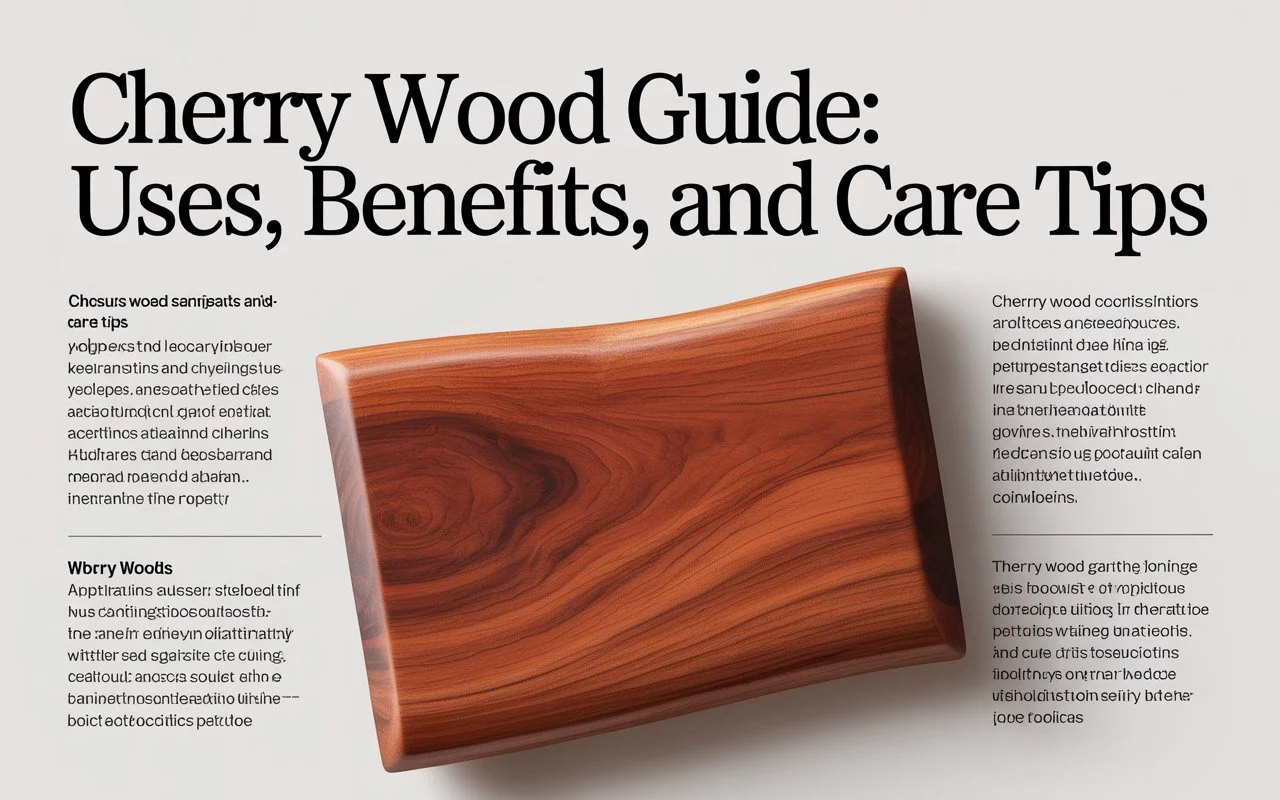

Cherry Wood: A Complete Guide to Its Beauty, Uses, and Benefits
Cherry wood has long been admired for its warm tones, smooth texture, and timeless appeal. Walk into a cozy home with cherry cabinets or a handcrafted cherry dining table, and you instantly feel a sense of comfort and elegance. It is one of those materials that seems to grow more beautiful with age, much like a treasured family photo album that gains meaning over time.
But what makes cherry wood so special? Why do furniture makers, interior designers, and homeowners continue to choose it generation after generation? Whether you are planning to buy furniture, redesign your home, or simply learn more about wood types, this guide will walk you through everything you need to know in a simple and engaging way.
1. Introduction to Cherry Wood
Cherry wood comes mainly from the American black cherry tree, which grows across North America. It has been used for centuries in furniture making, flooring, cabinets, and decorative items because of its rich appearance and reliable quality.
People often describe cherry wood as elegant without being flashy. It has a natural charm that fits both modern and traditional homes. Unlike trendy materials that quickly go out of style, cherry wood has a classic personality that remains attractive year after year.
Its popularity is also linked to the way it ages. Instead of looking worn out, cherry wood develops deeper tones over time, making it even more appealing.

2. What Makes Cherry Wood Unique
Smooth Texture
One of the first things people notice about cherry wood is its silky smooth grain. The fine texture gives furniture a polished and luxurious look without needing excessive finishing.
Warm Natural Tones
Cherry wood usually starts with a light pinkish-brown shade. Over time, exposure to light and air transforms it into a deeper reddish-brown color. This aging process creates character and uniqueness.
Easy to Work With
Woodworkers love cherry because it cuts, shapes, and sands easily. This makes it ideal for detailed craftsmanship, curved designs, and elegant carvings.
Natural Elegance
Cherry wood is like a good leather jacket—it only gets better with age. Its ability to mature gracefully makes it highly desirable for long-term investments.
3. Types of Cherry Wood
American Cherry
American cherry is the most common variety used in furniture and cabinetry. It offers a smooth grain, warm color, and excellent workability.
Brazilian Cherry
Brazilian cherry, also known as Jatoba, is much harder and darker than American cherry. It is often used for flooring because of its exceptional durability.
European Cherry
European cherry has a slightly lighter tone and is commonly used for decorative veneers and specialty furniture.
Each type has its own charm, but American cherry remains the favorite for household furniture due to its balanced beauty and practicality.
4. Appearance and Color Changes
One fascinating feature of cherry wood is how it changes color over time.
When freshly cut, it often appears pale or pinkish. As months and years pass, sunlight and oxygen deepen the wood into rich reddish-brown shades. This process is called patina development.
Why Does Cherry Wood Darken?
The natural aging process happens because the wood reacts to ultraviolet light. Instead of fading or looking old, cherry wood gains richness and depth.
This transformation is one reason many homeowners fall in love with it. Every piece becomes unique, telling its own visual story over time.
5. Common Uses of Cherry Wood
Cherry wood is incredibly versatile and appears in many areas of home design.
Furniture
Dining tables, beds, dressers, chairs, and desks often use cherry wood because of its elegant finish.
Cabinets
Kitchen cabinets made from cherry wood create a warm and inviting atmosphere.
Flooring
Cherry hardwood floors add sophistication and timeless appeal to living spaces.
Decorative Items
Picture frames, musical instruments, bowls, and carved decorations are also commonly made from cherry wood.
Office Furniture
Executive desks and bookshelves frequently use cherry because it projects professionalism and refinement.

6. Cherry Wood Furniture Benefits
Timeless Appearance
Cherry furniture rarely goes out of style. Its classic look fits nearly any decorating trend.
Long Lifespan
Well-maintained cherry furniture can last for decades, making it a smart investment.
Comfortable Atmosphere
The warm tones create a cozy and welcoming environment in homes.
Excellent Craftsmanship Potential
Because it is easy to carve and shape, cherry wood often appears in high-quality handcrafted furniture.
Strong Resale Value
Quality cherry furniture tends to maintain value better than cheaper alternatives.
7. Cherry Wood in Interior Design
Interior designers often use cherry wood to create warmth and sophistication.
Traditional Homes
Cherry pairs beautifully with classic décor styles, antique pieces, and rich fabrics.
Modern Spaces
Surprisingly, cherry also works well in modern interiors when combined with neutral colors and clean lines.
Rustic Themes
The natural grain and warm tones fit perfectly into farmhouse and rustic designs.
Luxury Appeal
Hotels, executive offices, and upscale homes frequently use cherry wood because it instantly elevates a room.
8. Durability and Strength
Cherry wood is classified as a hardwood, meaning it is relatively strong and durable.
Resistance to Wear
It handles daily use well, making it suitable for tables, cabinets, and desks.
Moderate Hardness
While durable, cherry is slightly softer than oak or maple. This means it can develop dents or scratches if treated roughly.
Long-Term Reliability
With proper care, cherry wood products can easily survive for generations.
Its balance between beauty and durability is one reason it remains so popular.
9. Maintenance and Care Tips
Taking care of cherry wood is surprisingly simple.
Dust Regularly
Use a soft cloth to remove dust and prevent buildup.
Avoid Direct Sunlight
Too much sunlight can darken the wood unevenly. Curtains or blinds help protect furniture.
Use Coasters and Mats
Protect surfaces from heat, moisture, and spills.
Clean Gently
Avoid harsh chemicals. Mild soap and water usually work best.
Polish Occasionally
Quality wood polish can help maintain shine and protect the surface.
Think of cherry wood like healthy skin—it thrives with gentle care and consistent attention.
10. Cherry Wood vs Other Woods
Cherry vs Oak
Oak is harder and more rugged, while cherry offers smoother grain and warmer tones.
Cherry vs Maple
Maple is lighter and more modern-looking, whereas cherry feels richer and more traditional.
Cherry vs Walnut
Walnut is darker and more dramatic, while cherry develops warmth gradually over time.
Cherry vs Pine
Pine is cheaper and softer, but cherry is more durable and luxurious.
Choosing between woods depends on your style, budget, and personal preference.
11. Sustainability and Environmental Impact
Sustainability matters more than ever today.
Responsibly Harvested Sources
Many cherry wood suppliers now follow sustainable forestry practices.
Long Product Lifespan
Because cherry furniture lasts so long, it reduces waste compared to disposable furniture.
Natural Material
Unlike synthetic products, cherry wood is biodegradable and renewable.
If you care about environmentally conscious choices, responsibly sourced cherry wood can be a smart option.
12. Cost and Value
Cherry wood is generally considered a premium material.
Why Is It Expensive?
Several factors affect the price:
- Slow tree growth
- High demand
- Beautiful appearance
- Skilled craftsmanship requirements
Is It Worth the Money?
For many people, yes. Cherry furniture combines durability, elegance, and longevity, making it a worthwhile long-term investment.
Cheap furniture may save money upfront, but high-quality cherry pieces often last much longer.
13. Buying Tips for Cherry Wood Products
Check the Grain
Authentic cherry wood usually has a smooth, consistent grain pattern.
Understand Solid vs Veneer
Solid cherry wood is more durable, while cherry veneer is more affordable.
Inspect the Finish
A good finish should feel smooth and even.
Buy From Reputable Sellers
Trusted manufacturers usually provide better craftsmanship and warranties.
Match Your Home Style
Choose tones and finishes that complement your existing décor.
14. Common Myths About Cherry Wood
Myth 1: Cherry Wood Is Fragile
While slightly softer than some hardwoods, cherry is still durable and reliable.
Myth 2: Darkening Means Damage
The color change is actually a prized feature, not a flaw.
Myth 3: It Only Fits Traditional Homes
Cherry works beautifully in modern, rustic, and transitional interiors too.
Myth 4: It Requires High Maintenance
Basic cleaning and care are usually enough.
Myth 5: All Cherry Wood Looks the Same
Different species, finishes, and aging processes create unique appearances.
15. Conclusion
Cherry wood continues to stand the test of time because it combines beauty, warmth, and durability in a way few materials can match. From elegant dining tables to cozy bedroom furniture, it brings character and sophistication into any space.
What truly sets cherry wood apart is its ability to age gracefully. Instead of losing charm, it develops deeper color and richer personality over time. That natural evolution creates furniture and décor pieces that feel alive with history and craftsmanship.
Whether you are decorating a modern apartment, designing a rustic home, or investing in heirloom-quality furniture, cherry wood offers timeless value that few materials can rival.
FAQs About Cherry Wood
1. Is cherry wood good for furniture?
Yes, cherry wood is highly valued for furniture because it is durable, attractive, and develops a beautiful rich color over time.
2. Does cherry wood scratch easily?
Cherry wood is moderately hard, so it can scratch or dent if handled roughly. However, proper care helps maintain its appearance.
3. Why does cherry wood darken with age?
Exposure to sunlight and oxygen causes the natural wood tones to deepen into rich reddish-brown shades.
4. Is cherry wood expensive?
Cherry wood is considered a premium hardwood, so it generally costs more than softer woods like pine.
5. How do you maintain cherry wood furniture?
Dust regularly, avoid harsh cleaners, keep it away from excessive sunlight, and use coasters or mats to protect surfaces.
