


Introduction
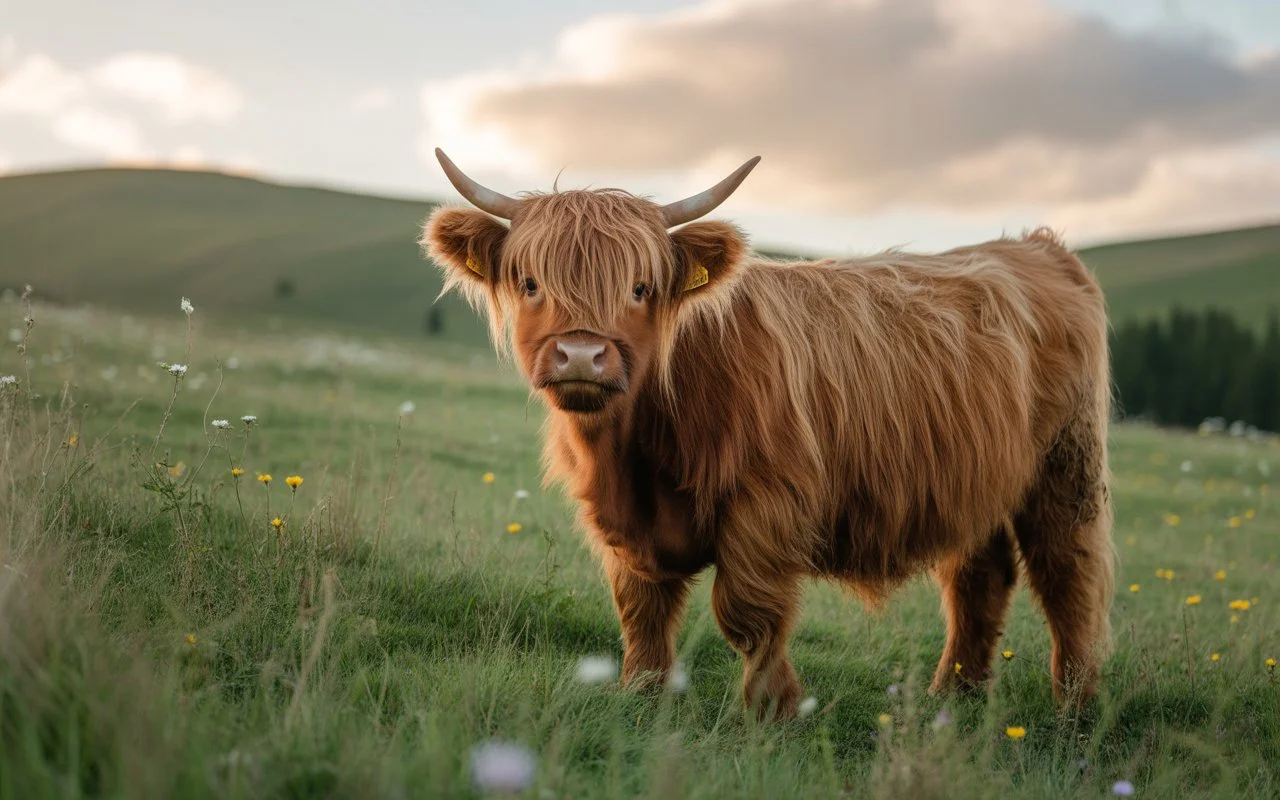
Have you ever seen a fluffy cow that looks more like a living teddy bear than a farm animal? That’s exactly the charm of a mini highland cow. With their shaggy coats, long horns, and calm personalities, these miniature cattle have captured hearts all over the world. But are they just cute—or are they practical to own?
In this guide, we’ll walk through everything you need to know, from their origin and care to costs and lifestyle. Whether you’re curious or seriously considering owning one, you’re in the right place.
1. What is a Mini Highland Cow?
A mini highland cow is a smaller version of the traditional Highland cattle breed. These cows are specifically bred to maintain their compact size while keeping the same fluffy coat and iconic horns.
Think of them as the “pocket-sized” version of a classic farm animal—smaller, but just as full of personality.
2. Origin and History
Highland cattle originally come from Scotland, where they were bred to survive harsh weather conditions. Their thick double coat protects them from cold winds and rain.
Mini versions are a more recent development. Breeders selectively breed smaller Highland cattle over generations to achieve a reduced size without losing their unique traits.
3. Physical Appearance

Size and Weight
Mini Highland cows typically stand around 36 to 42 inches tall and weigh between 500 to 800 pounds, much smaller than standard ones.
Coat and Colors
Their coats are long, shaggy, and incredibly soft-looking. Common colors include:
- Red
- Black
- Yellow
- Brindle
Horns
Both males and females have horns, which curve outward and add to their majestic appearance.
4. Personality and Temperament
One of the biggest reasons people fall in love with mini Highland cows is their personality.
Gentle Nature
They are known for being calm and friendly, making them easier to handle than many other cattle breeds.
Social Behavior
These cows enjoy companionship. They thrive better in pairs or small groups rather than living alone.
Imagine having a pet that behaves like a calm dog but looks like a fluffy cow—that’s the vibe they bring.
5. Why Are They So Popular?
Mini Highland cows have become incredibly popular, especially on social media.
Aesthetic Appeal
Their fluffy coats and expressive eyes make them extremely photogenic.
Pet-Friendly Image
Many people see them as “exotic pets,” even though they are still livestock.
Low Maintenance Perception
There’s a common belief that they are easier to manage due to their size—but this isn’t always entirely true.
6. Space and Housing Needs
Land Requirements
Even though they’re smaller, mini Highland cows still need space. Ideally:
- 1–2 acres per cow
Shelter
They are hardy animals but still require:
- Shade in hot weather
- Dry shelter during rain
Fencing
Strong fencing is essential because they are curious and can wander.
7. Feeding and Nutrition
Basic Diet
Their diet mainly consists of:
- Grass
- Hay
- Occasional grains
Water Needs
Clean, fresh water must always be available.
Seasonal Feeding
In winter, they may need extra hay since grazing becomes limited.
Think of feeding them like maintaining a steady fuel system—you need consistency to keep them healthy.
8. Health and Lifespan
Lifespan
Mini Highland cows can live 15 to 20 years, which is quite long for cattle.
Common Health Issues
- Parasites
- Hoof problems
- Nutritional deficiencies
Veterinary Care
Regular checkups and vaccinations are essential for maintaining their health.
9. Cost of Owning One
Initial Cost
A mini Highland cow can cost anywhere between:
- $1,500 to $5,000+
Ongoing Expenses
- Feed
- Veterinary care
- Land maintenance
Hidden Costs
Many people overlook expenses like fencing, shelter, and time commitment.
Owning one is not just a purchase—it’s a long-term investment.
10. Breeding and Reproduction
Breeding Age
They usually reach breeding maturity at around 2 to 3 years.
Calving
Mini Highland cows typically have one calf at a time.
Care for Calves
Calves require extra attention, especially in their early months.
11. Legal Considerations
Before getting a mini Highland cow, check local laws.
Zoning Rules
Some areas restrict livestock ownership.
Permits
You may need permits depending on your location.
Animal Welfare Laws
Proper care is legally required in most regions.
Ignoring these rules can lead to fines or losing your animal.
12. Pros and Cons
Pros
- Friendly temperament
- Unique appearance
- Long lifespan
Cons
- Require space
- Not true “pets”
- Ongoing maintenance costs
Like any living creature, they come with responsibilities that go beyond their cuteness.
13. Mini Highland Cow vs Regular Highland Cow
| Feature | Mini | Regular |
|---|---|---|
| Size | Smaller | Much larger |
| Cost | Higher per size | Standard |
| Maintenance | Slightly easier | More demanding |
| Popularity | Trendy | Traditional |
Mini versions are more suitable for smaller farms, but they are not drastically easier to manage.
14. Tips for First-Time Owners
Start Small
Begin with one or two cows to understand their needs.
Learn Basic Care
Educate yourself about feeding, grooming, and health.
Build Proper Infrastructure
Ensure fencing, shelter, and water systems are ready.
Consult Experts
Veterinarians and experienced farmers can guide you.
15. Are They Right for You?
Ask yourself:
- Do you have enough space?
- Can you afford long-term care?
- Are you ready for daily responsibility?
A mini Highland cow is not just a trend—it’s a commitment.
If you’re looking for a unique, calm, and visually stunning addition to your farm, they might be perfect. But if you want a low-maintenance pet, you may need to rethink.
Conclusion
Mini Highland cows are undeniably charming. With their fluffy coats, gentle personalities, and unique appearance, they bring joy to anyone who encounters them. However, behind that adorable exterior lies a real animal with real needs.
Owning one is like caring for a small piece of nature—it’s rewarding, but it requires time, space, and dedication. If you’re prepared for the responsibility, a mini Highland cow can become a truly special part of your life.
FAQs
1. Are mini Highland cows good pets?
They can be friendly and calm, but they are still livestock and require proper space and care.
2. What size do mini Highland cows typically reach?
3. Do mini Highland cows need a lot of space?
Yes, they typically require at least 1–2 acres per animal.
4. What do mini Highland cows eat?
They mainly eat grass, hay, and occasionally grains, along with constant access to water.
5. How long do mini Highland cows live?
They can live between 15 to 20 years with proper care.
