


Introduction
Have you ever wondered what keeps fishing industries running smoothly or how marine farms protect their stock? The answer often lies in something simple yet incredibly powerful—marine nets. These nets are like the invisible backbone of many ocean-based activities, quietly doing the heavy lifting beneath the waves.
Think of a marine net as a safety net in a circus—it supports, protects, and ensures everything works as planned. From fishing to aquaculture and even environmental protection, these nets play a bigger role than most people realize. Let’s dive into the fascinating world of marine nets and explore why they matter so much.
1. What Is a Marine Net?

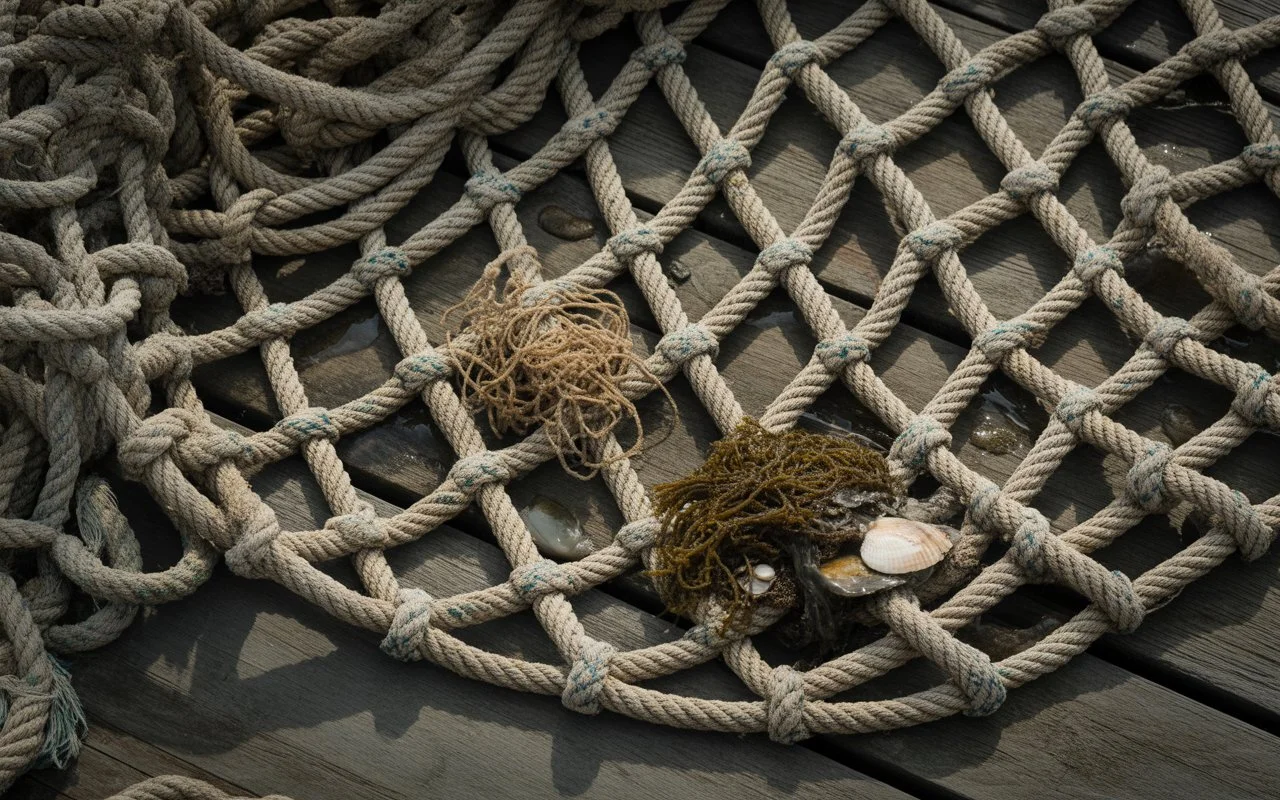
A marine net is a specially designed net used in water-based environments such as oceans, rivers, and lakes. These nets are crafted to withstand harsh conditions like saltwater, strong currents, and constant exposure to sunlight.
Key Features:
- Durable and long-lasting
- Resistant to corrosion
- Designed for specific marine tasks
In simple terms, it’s a tool that helps humans interact with the underwater world more efficiently.
2. History and Evolution of Marine Nets
Marine nets have been around for thousands of years. Early humans used plant fibers and handmade knots to catch fish. Over time, these simple tools evolved into highly advanced systems.
From Past to Present:
- Ancient nets made from natural fibers
- Introduction of cotton and hemp
- Modern synthetic materials like nylon
Today’s marine nets are lighter, stronger, and far more efficient than their ancient counterparts.
3. Types of Marine Nets
Not all marine nets are the same. Different types are designed for different purposes.
a. Fishing Nets
Used for catching fish in oceans and rivers.
b. Safety Nets
Placed around boats or offshore platforms to prevent accidents.
c. Aquaculture Nets
Used in fish farming to contain and protect fish.
d. Barrier Nets
Designed to keep unwanted marine species out.
Each type serves a unique purpose, much like tools in a toolbox.
4. Materials Used in Marine Nets

The strength and durability of a marine net depend largely on the material used.
Common Materials:
- Nylon: Strong and flexible
- Polyethylene: Lightweight and durable
- Polypropylene: Resistant to water damage
These materials are chosen because they can survive tough marine conditions without breaking down easily.
5. Common Uses of Marine Nets
Marine nets are incredibly versatile.
Where You’ll Find Them:
- Fishing boats
- Fish farms
- Coastal protection systems
- Sports and recreational activities
They are used wherever there is a need to control, capture, or protect marine life.
6. Marine Nets in Fishing Industry
Fishing is one of the biggest industries that rely heavily on marine nets.
How They Help:
- Capture large quantities of fish
- Improve efficiency
- Reduce manual labor
However, responsible use is essential to avoid overfishing and environmental damage.
7. Role in Aquaculture
Aquaculture, or fish farming, depends on marine nets to function properly.
Key Roles:
- Contain fish within a specific area
- Protect fish from predators
- Maintain organized farming systems
Without these nets, managing fish farms would be nearly impossible.
8. Environmental Impact
While marine nets are useful, they can also have negative effects if not managed properly.
Concerns:
- Ghost fishing (lost nets trapping marine life)
- Pollution from damaged nets
- Harm to ecosystems
That’s why modern efforts focus on eco-friendly designs and proper disposal methods.
9. Benefits of Using Marine Nets
Despite some challenges, marine nets offer numerous advantages.
Major Benefits:
- Efficiency in marine operations
- Cost-effective solutions
- Versatility across industries
They make complex marine tasks simpler and more manageable.
10. Maintenance and Care
Taking care of marine nets is crucial for their longevity.
Tips for Maintenance:
- Regular cleaning to remove salt and debris
- Checking for tears or damage
- Proper storage when not in use
Think of it like maintaining a car—regular care ensures better performance and longer life.
11. Innovations in Marine Net Technology
Technology is constantly improving marine nets.
Recent Innovations:
- Anti-fouling coatings
- Biodegradable materials
- Smart nets with sensors
These advancements aim to make nets more efficient and environmentally friendly.
12. Choosing the Right Marine Net
Selecting the right net depends on your needs.
Factors to Consider:
- Purpose (fishing, farming, safety)
- Material durability
- Mesh size
Choosing the right net is like picking the right pair of shoes—it must fit your specific activity.
13. Challenges and Limitations
Marine nets are not without their drawbacks.
Common Issues:
- Wear and tear over time
- Environmental concerns
- High initial cost for advanced nets
Understanding these challenges helps in making better decisions.
14. Future of Marine Nets
The future looks promising with continuous innovation.
What to Expect:
- More sustainable materials
- Improved durability
- Integration with technology
Marine nets will likely become smarter and more eco-conscious in the coming years.
Conclusion
Marine nets may seem like simple tools, but they play a vital role in our interaction with the ocean. From supporting global fishing industries to protecting marine life in aquaculture, their importance cannot be overstated.
As technology advances, these nets are becoming more efficient and environmentally friendly. By using them responsibly, we can continue to benefit from the ocean while preserving it for future generations.
FAQs
1. What is a marine net used for?
A marine net is used for fishing, aquaculture, safety, and protecting marine environments.
2. What materials are marine nets made from?
They are commonly made from nylon, polyethylene, and polypropylene for durability and water resistance.
3. Are marine nets harmful to the environment?
They can be harmful if lost or improperly managed, but eco-friendly options are now available.
4. How do you maintain a marine net?
Regular cleaning, inspection for damage, and proper storage help extend its lifespan.
5. What is the future of marine nets?
The future includes sustainable materials, smart technology, and improved designs for better efficiency and reduced environmental impact.
