


Introduction
Music has become part of our everyday lives. Whether you’re commuting, working out, studying, or relaxing at home, the right playlist can instantly change your mood. Streaming platforms have made accessing music easier than ever, but sometimes users want their favorite songs available offline without relying on internet access.
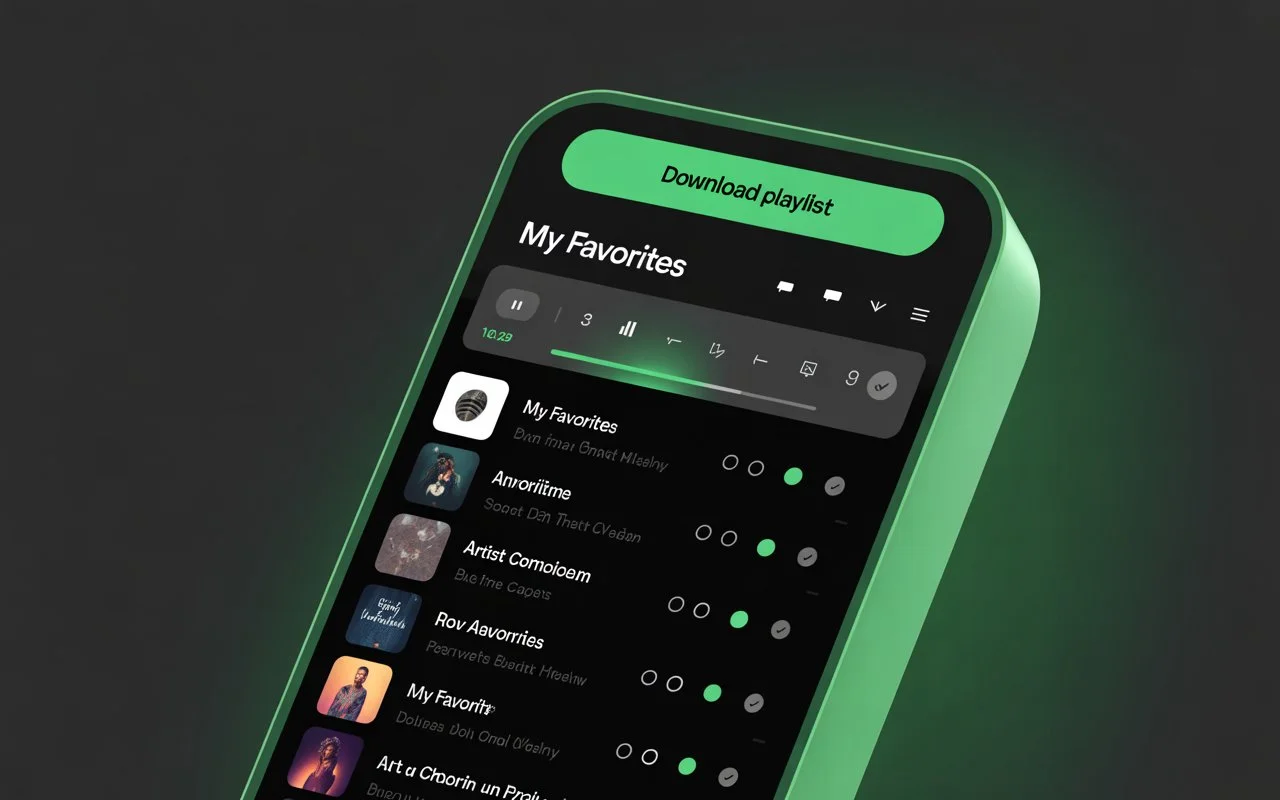
That’s where a Spotify playlist downloader becomes a topic of interest. Many people wonder how they can save playlists, manage offline music, or back up their favorite collections.
If you’ve ever wondered, “What if I could carry my favorite songs with me everywhere—even without an internet connection?” you’re definitely not alone.
In this guide, we’ll explore how playlist downloading works, available tools, benefits, legal considerations, and safer alternatives. Think of it like packing your favorite music into a digital backpack so you can carry it wherever you go.
1. Understanding Spotify Playlist Downloader

A Spotify playlist downloader is a tool or software that allows users to save songs from playlists onto their devices. Instead
of streaming music every time you want to listen, these tools aim to store tracks locally.
How it generally works:
-
It reads the playlist link
-
Locates the songs in the playlist
-
Converts or records the tracks
-
Saves them to your device in audio format
Think of it like copying your favorite recipe from a cookbook so you can cook it anytime—even when the book isn’t around.
However, it’s important to understand that not all downloaders operate in the same way. Some simply record audio while it plays, while others attempt to match tracks from public music databases.
2. Why People Want to Download Playlists
Music lovers have many reasons for wanting to download playlists. Convenience is usually the biggest factor.
Offline Listening
Not everyone has constant internet access. Downloading playlists allows users to listen during flights, road trips, or areas with poor network coverage.
Saving Mobile Data
Streaming music repeatedly can use a lot of mobile data. Offline music helps reduce data usage.
Backup of Favorite Songs
Sometimes songs disappear from streaming platforms due to licensing issues. Having a backup ensures you don’t lose your favorite tracks.
Better Control of Music Files
Some people simply enjoy managing their music libraries the old-fashioned way—like organizing digital records.
3. How Playlist Downloading Tools Work
Different tools operate in slightly different ways, but most follow a similar process.
Step 1: Playlist Link Input
You paste the playlist URL into the downloader.
Step 2: Track Identification
The software scans the playlist and identifies all songs.
Step 3: Audio Capture or Matching
The tool either records audio or matches songs with files from other sources.
Step 4: Conversion and Saving
Tracks are converted into formats such as MP3 or WAV and stored on your device.
This process is similar to recording a song from the radio in older days—but done digitally.
4. Types of Playlist Downloaders

Not all download tools are the same. Understanding the different types helps you choose wisely.
1. Desktop Software
These programs are installed on your computer and often provide advanced features like batch downloading and high-quality audio conversion.
2. Online Web Tools
Web-based tools allow users to paste a playlist link and download songs without installing software.
3. Browser Extensions
Some browser add-ons claim to help with downloading playlists directly from streaming pages.
4. Audio Recording Tools
These tools record the sound output while music plays, saving it as an audio file.
Each type has advantages and limitations depending on your needs.
5. Features to Look for in a Good Tool
If you’re exploring playlist downloading tools, certain features can make a big difference.
High Audio Quality
Look for options supporting high-bitrate formats.
Batch Downloading
Downloading entire playlists at once saves time.
Format Conversion
Support for MP3, FLAC, or WAV formats provides flexibility.
Metadata Support
Song title, album, and artist details should remain intact.
User-Friendly Interface
Simple tools reduce confusion and make the process easier.
The best tools feel like a well-organized music library—everything exactly where you expect it.
6. Benefits of Saving Playlists Offline
Offline music offers several practical benefits.
Reliable Playback
No buffering or interruptions caused by weak internet connections.
Travel Friendly
Perfect for flights, long train rides, or outdoor adventures.
Device Flexibility
Downloaded songs can be transferred to other devices like MP3 players or USB drives.
Permanent Access
Even if a streaming platform removes a song, you still have your saved version.
For many listeners, offline music feels like owning a personal record collection.
7. Legal and Ethical Considerations
Before downloading playlists, it’s important to understand the rules surrounding music distribution.
Streaming services typically operate under strict licensing agreements. These agreements allow users to stream music, but not necessarily to download or redistribute it outside the platform.
Things to keep in mind:
-
Music rights belong to artists and record labels
-
Unauthorized downloads may violate platform policies
-
Sharing downloaded files may break copyright laws
Respecting artists and their work ensures the music industry continues to thrive.
8. Safe Alternatives for Offline Listening
If your goal is simply offline music access, there are legitimate options available.
Official Offline Mode
Many streaming platforms offer built-in offline listening for premium users.
Digital Music Purchases
Buying music files from legitimate stores allows permanent downloads.
Podcast and Audio Platforms
Some platforms provide free downloads for certain content.
These options support artists while giving you convenient offline listening.
9. Tips for Managing Your Music Library
Once you have music saved on your device, organization becomes important.
Create Folders by Genre
Rock, pop, jazz, or electronic—sorting by genre makes navigation easier.
Use Clear File Names
Artist name followed by song title works best.
Add Album Artwork
Visual elements help identify songs quickly.
Regularly Back Up Files
Use cloud storage or external drives to prevent loss.
A well-organized library feels like walking into a neatly arranged music store.
10. Risks of Untrusted Download Tools
While playlist downloaders can sound convenient, some tools carry risks.
Malware and Viruses
Unknown software may contain harmful programs.
Data Privacy Concerns
Some websites request unnecessary personal information.
Low Audio Quality
Poor tools may produce distorted or low-quality audio files.
Broken Downloads
Incomplete files or missing tracks can frustrate users.
Always research tools carefully before using them.
11. How to Organize Downloaded Playlists
Keeping your music collection tidy ensures you can enjoy it without frustration.
Create Playlist Folders
-
Workout music
-
Study playlists
-
Travel songs
Use Music Player Apps
Many apps automatically categorize music by artist, album, and genre.
Tag Editing
Editing song metadata ensures accurate organization.
With proper structure, your playlist library becomes easy to navigate—like flipping through favorite vinyl records.
12. Future of Music Access and Offline Listening
Technology continues to reshape how people experience music.
Streaming services are constantly improving offline features, offering better storage options and smarter recommendations.
At the same time, music lovers still appreciate having personal copies of songs they cherish. The future will likely combine streaming convenience with flexible offline access, creating a balance between ownership and accessibility.
Imagine a world where your music automatically follows you across every device, online or offline. That future might not be far away.
Conclusion
Music connects people, sparks memories, and adds rhythm to everyday life. A Spotify playlist downloader has become a topic of interest for those who want greater control over their music collections and offline listening options.
However, while downloading playlists may seem convenient, it’s essential to consider safety, legality, and the rights of artists who create the music we love. Exploring legitimate offline options, organizing your music library, and choosing trusted tools can help you enjoy music responsibly.
At the end of the day, whether you stream, download, or purchase songs, the real goal is simple: keep the music playing wherever life takes you.
FAQs
1. What is a Spotify playlist downloader?
It is a tool designed to save songs from playlists onto a device so they can be accessed without streaming.
2. Can you listen to Spotify playlists offline?
Yes, many streaming platforms offer built-in offline listening for premium subscribers.
3. Are playlist downloaders safe to use?
Some tools may pose risks such as malware or privacy concerns, so it’s important to research them carefully.
4. What audio formats are usually available when downloading playlists?
Common formats include MP3, WAV, and FLAC, depending on the tool being used.
5. Is downloading playlists legal?
It depends on the platform’s terms of service and copyright laws, so users should always review the rules before downloading content.
