


Introduction
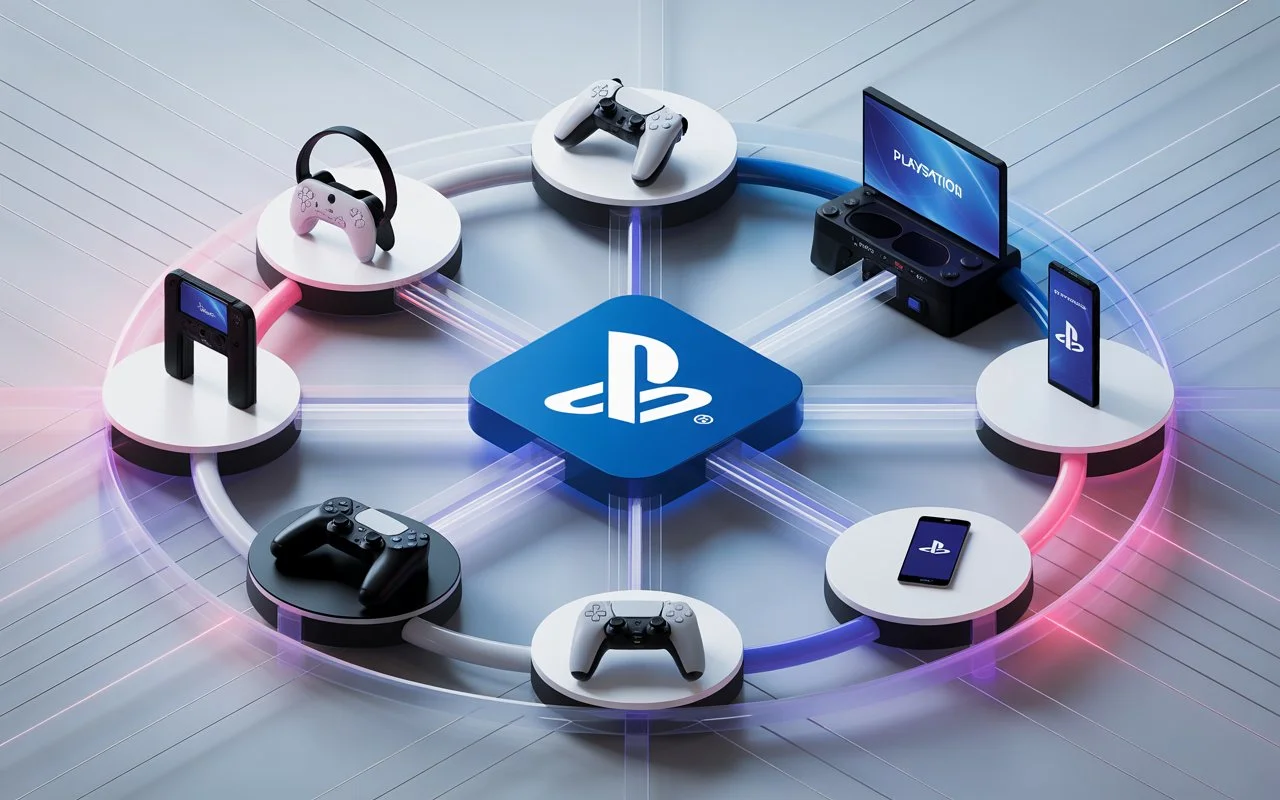
When people hear “PlayStation,” they usually think of game consoles, controllers, and unforgettable titles. But behind the screen, beyond the pixels and soundtracks, there’s a massive business ecosystem quietly at work. The Sony PlayStation platform business is not just about selling consoles—it’s about building a living, breathing digital world where technology, creativity, and community come together.
Think of PlayStation as a modern city. The console is the land, games are the buildings, online services are the roads, and players are the citizens. This article takes you inside that city, explaining how Sony built one of the most powerful entertainment platforms on the planet—and why it continues to shape the future of gaming.
The Origins of PlayStation as a Business Platform

Sony entered the gaming world in the mid-1990s, not as a traditional game company, but as a technology giant with a bold idea. Instead of treating games as toys, Sony approached them as entertainment media, much like music and movies.
The first PlayStation wasn’t just a console—it was a statement. Sony created a platform where developers could easily build games and where players felt connected to something bigger. From the beginning, the business focus was clear: grow an ecosystem, not just a product.
From Hardware Sales to Platform Strategy
In the early years, console sales were the headline success. More units sold meant more players. But Sony quickly realized that hardware alone couldn’t sustain long-term growth.
The real value came from the platform model:
-
Consoles brought players in
-
Games kept them engaged
-
Services generated ongoing revenue
This shift turned PlayStation from a one-time purchase into a long-term relationship.
The Role of First-Party Studios
One of Sony’s smartest moves was investing heavily in its own game studios. These studios create exclusive titles that define the PlayStation experience.
Exclusive games act like signature dishes at a restaurant—you can’t get them anywhere else. They attract customers, build loyalty, and give the platform its identity.
From a business perspective, first-party games also offer better margins and stronger brand control, making them a cornerstone of the platform strategy.
Third-Party Developers and Partnerships
While exclusives matter, Sony knows it can’t do everything alone. Third-party developers play a huge role in keeping the platform diverse and vibrant.
Sony supports these partners by:
-
Offering development tools
-
Providing marketing support
-
Maintaining a large, active user base
It’s a two-way street. Developers get reach, and PlayStation gets content. This partnership model strengthens the entire ecosystem.
Digital Distribution and the PlayStation Store
The move from physical discs to digital downloads changed everything. The PlayStation Store became more than a shop—it became the commercial heart of the platform.
Digital distribution offers clear business advantages:
-
Lower production costs
-
Faster global releases
-
Continuous content updates
For players, it means convenience. For Sony, it means steady revenue flowing long after a console launch.
Subscription Services and Recurring Revenue

Modern platform businesses thrive on subscriptions, and PlayStation is no exception. Subscription services transformed how Sony earns money.
Instead of relying only on big releases, subscriptions create predictable income. It’s like turning a seasonal business into a year-round operation.
For users, subscriptions feel like value bundles. For Sony, they provide stability and long-term planning power.
Online Services and Community Engagement
Online connectivity changed gaming from a solo activity into a shared experience. Multiplayer features, social tools, and digital communities are now essential.
Sony invests heavily in keeping its network reliable and engaging. A strong online environment keeps players active—and active players spend more time and money within the platform.
Community isn’t just a feature; it’s a business asset.
Global Reach and Regional Strategy
Sony PlayStation platform business is a global brand, but Sony doesn’t treat all markets the same. Different regions have different tastes, spending habits, and gaming cultures.
Sony adapts by:
-
Supporting local developers
-
Offering region-specific content
-
Adjusting pricing strategies
This flexible approach helps PlayStation stay relevant across continents, not just in one core market.
Innovation Through Technology
Technology is the engine that drives the platform forward. Sony leverages its expertise in hardware, software, and entertainment to push innovation.
Advances in graphics, performance, and immersive features aren’t just technical upgrades—they’re business tools that justify premium pricing and attract new audiences.
Innovation keeps the platform feeling fresh, even as it matures.
Competition and Market Positioning
The gaming industry is competitive, with multiple platforms fighting for attention. Sony’s strength lies in differentiation rather than imitation.
Instead of copying rivals, PlayStation focuses on:
-
Strong storytelling
-
High-quality production
-
Emotional player experiences
This positioning turns competition into contrast. Players don’t just choose a console—they choose a philosophy.
Challenges Facing the PlayStation Business
No platform is immune to challenges. Rising development costs, shifting player expectations, and changing technology trends all put pressure on the business.
Sony must balance:
-
Innovation with affordability
-
Growth with sustainability
-
Expansion with quality control
These challenges force constant adaptation, which is both risky and necessary.
The Role of Data and Player Insights
Modern platforms run on information. Sony uses player behavior data to improve services,recommend content, and plan future investments.
When used responsibly, data helps create better experiences. It’s like listening closely to millions of voices at once, then adjusting the platform to meet real needs.
Expanding Beyond Traditional Gaming
PlayStation is no longer limited to consoles. The brand extends into media, live services, and cross-platform experiences.
This expansion turns PlayStation into a broader entertainment hub, not just a gaming device. From a business standpoint, diversification reduces risk and opens new revenue streams.
Brand Loyalty and Emotional Connection
One of PlayStation’s greatest assets is emotional loyalty. Many players grow up with the brand and carry it into adulthood.
This loyalty isn’t accidental. It’s built through memorable experiences, consistent quality, and a sense of belonging.
In business terms, emotional connection lowers churn and strengthens lifetime value.
The Future of the PlayStation Platform Business
Looking ahead, the PlayStation platform business is likely to become even more service-driven and interconnected.
Future growth may focus on:
-
Deeper digital integration
-
Broader accessibility
-
Stronger community tools
The goal isn’t just to sell more—it’s to stay meaningful in a rapidly changing world.
Conclusion
The Sony PlayStation platform business is a powerful example of how entertainment, technology, and strategy can merge into something lasting. What started as a console evolved into a global platform that connects millions of players through shared experiences.
By focusing on ecosystems rather than products, relationships rather than transactions, Sony turned gaming into a long-term business model. Like a well-tuned orchestra, every part of the platform plays a role—and together, they create something far greater than the sum of its parts.
Frequently Asked Questions (FAQs)
1. What makes the PlayStation platform a strong business model?
Its ecosystem approach, combining hardware, games, and services into one connected experience.
2. Does PlayStation rely only on console sales?
No, digital content, subscriptions, and services play a major role in revenue.
3. Why are exclusive games important for PlayStation?
They differentiate the platform and build strong brand loyalty.
4. How does PlayStation compete with other gaming platforms?
By focusing on quality experiences, storytelling, and a strong global community.
5. What is the future direction of the PlayStation business?
Greater emphasis on digital services, community engagement, and platform expansion.
