


Introduction
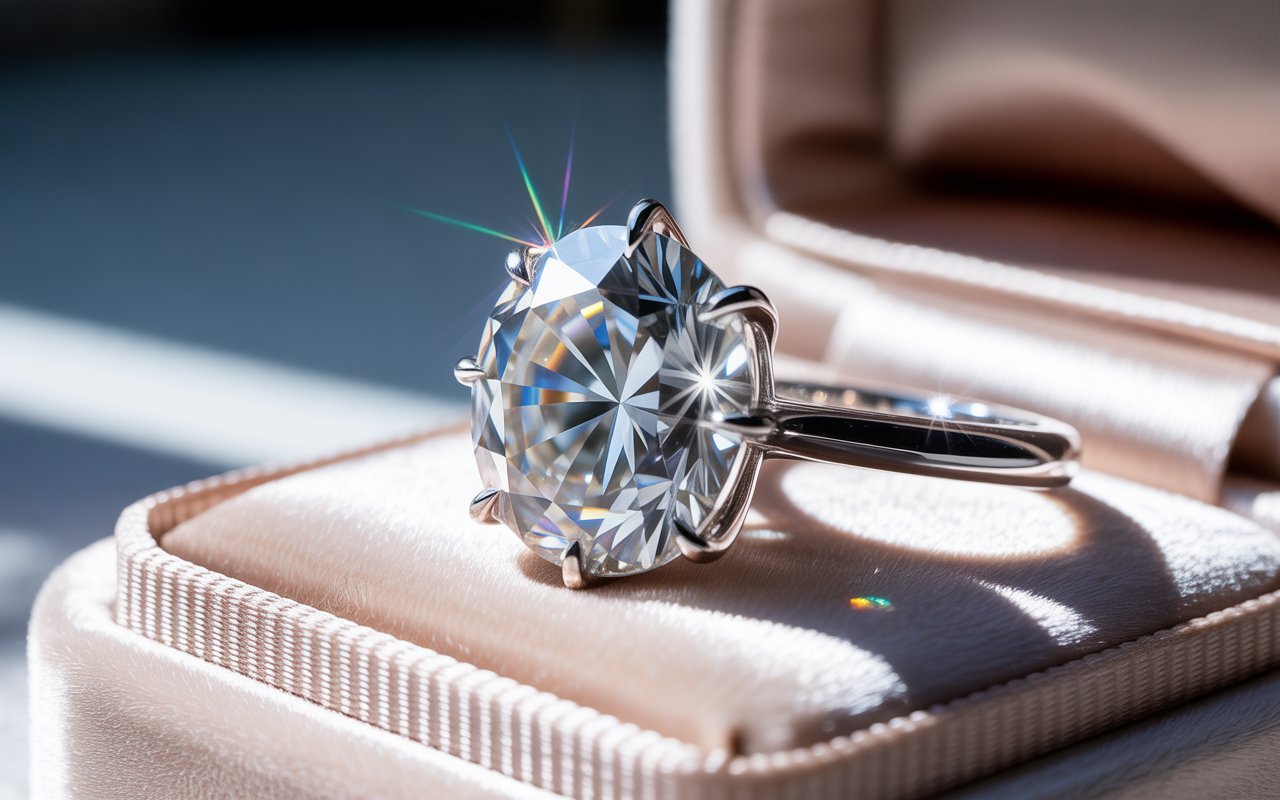
A 4 carat diamond ring is not subtle. It’s bold. It’s powerful. It walks into a room before you do. If you’ve ever seen one in person, you know the feeling—it’s like staring at a tiny frozen star captured in gold or platinum.
But here’s the real question: is bigger always better? And what should you actually know before investing in something this significant?
In this detailed guide, we’ll explore everything—from size and price to setting styles, clarity, brilliance, and smart buying tips. Whether you’re dreaming, shopping, or simply curious, you’ll walk away feeling informed and confident.
Understanding Carat: What Does 4 Carats Really Mean?
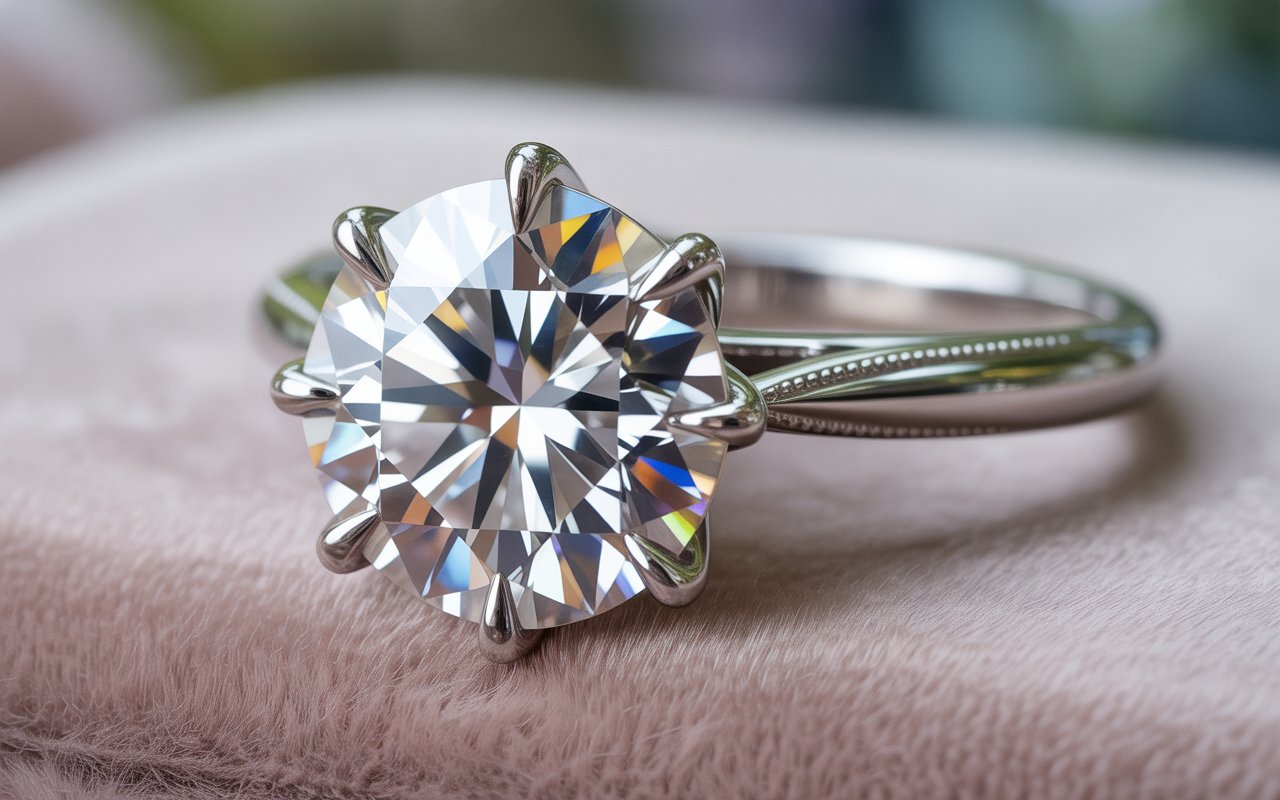
When people hear “carat,” they immediately think size. But technically, carat refers to weight, not dimensions.
One carat equals 200 milligrams. So a 4 carat stone weighs 800 milligrams—or 0.8 grams. That may sound small, but in the diamond world, it’s substantial.
Size vs. Weight
Two stones with the same carat weight can look different in size. Why? Because of cut proportions. A poorly cut stone may carry weight in the bottom (where you can’t see it), while a well-cut stone spreads weight across the top surface, making it look larger.
Think of it like baking bread. Two loaves can use the same amount of dough, but one rises beautifully while the other stays dense.
How Big Does a 4 Carat Diamond Look on a Finger?
Size appearance depends on shape. Here’s a rough idea:
-
Round: Approximately 10.2 mm in diameter
-
Oval: Appears slightly larger than round
-
Cushion: Softer, pillow shape
-
Emerald: Rectangular and elegant
Longer shapes like oval, pear, and marquise often appear bigger because they stretch across the finger.
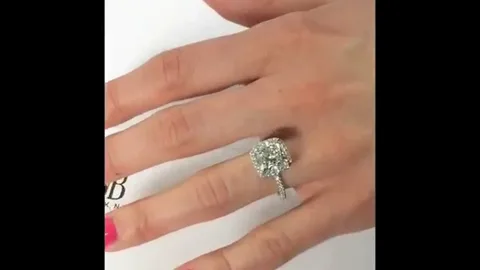
Finger size also plays a role. On a slender hand, it looks dramatic. On a larger hand, it may appear balanced but still commanding.
The Price Range: What Should You Expect to Pay?
Let’s talk numbers. A 4 carat diamond ring can cost anywhere from $40,000 to $250,000 or more. That’s a wide range, right?
Here’s why prices vary so dramatically:
-
Cut quality
-
Color grade
-
Clarity grade
-
Shape
-
Certification
-
Natural vs. lab-created
A flawless, colorless stone with ideal cut proportions will sit at the high end. One with slight inclusions or warmer tones will cost less.
Always remember: sparkle often matters more than perfection on paper.
The 4 Cs: What Really Determines Quality?
The famous grading system introduced by the Gemological Institute of America breaks quality into four key categories.
Cut
This affects brilliance. A well-cut diamond reflects light beautifully. Even a high-carat stone can look dull if cut poorly.
Color
Graded from D (colorless) to Z (noticeable yellow tint). Larger stones make color more visible, so choosing near-colorless grades often works best.
Clarity
Refers to internal marks called inclusions. Minor imperfections may not be visible to the naked eye, so you don’t always need flawless.
Carat
Yes, weight matters—but balance among all four is the secret to value.
Popular Shapes for a Larger Stone
When choosing something this size, shape dramatically affects presence.
Round Brilliant
Timeless and sparkly. The most classic option.
Emerald Cut
Elegant and vintage-inspired. Less sparkle, more clarity focus.
Oval
Trendy and flattering. Creates finger-length illusion.
Cushion
Soft, romantic corners.
Each shape gives off a completely different personality—like choosing between a tailored suit and a flowing evening gown.
Setting Styles That Complement a Large Diamond
The setting frames your stone like a picture frame enhances art.
Solitaire
Simple band, all attention on the center stone.
Halo
Smaller diamonds surrounding the main gem, enhancing sparkle.
Three-Stone
Symbolizes past, present, and future.
Pavé Band
Tiny diamonds along the ring shank for added shimmer.
White gold, platinum, rose gold, and yellow gold each change the look. Platinum feels modern and durable; yellow gold offers warmth and vintage charm.
Natural vs. Lab-Created Diamonds
You’ve likely heard of lab-grown options.
The science behind lab-created stones has advanced significantly. Companies like De Beers even entered the lab-grown market with their Lightbox line.
Natural Diamonds
-
Formed over billions of years
-
Rare
-
Traditionally higher resale value
Lab-Created Diamonds
-
Made in controlled environments
-
Lower price
-
Chemically identical to natural stones
For a 4 carat size, lab-grown can cost significantly less while still offering brilliance and beauty.
Is a 4 Carat Diamond Practical for Daily Wear?
It depends on lifestyle.
If you work with your hands daily—healthcare, fitness, crafting—you may find the size noticeable and sometimes inconvenient.
However, proper setting choice helps. Low-profile settings reduce snagging. Protective prongs secure the stone.
It’s like owning a luxury sports car. Stunning? Absolutely. But you’ll want the right garage and insurance too.
Insurance and Certification Matter
Never purchase a large stone without certification.
Organizations like American Gem Society provide trusted grading reports.
Insurance is equally critical. Annual premiums typically cost 1–2% of the ring’s value. It protects against theft, damage, and loss.
This isn’t just jewelry. It’s an asset.
Resale Value and Investment Perspective
Some buyers see diamonds as investments. While high-quality stones retain value well, they’re not as liquid as stocks or gold.
Factors affecting resale:
-
Brand name
-
Market demand
-
Certification quality
-
Condition
Luxury brands like Tiffany & Co. often carry premium resale appeal due to brand recognition.
Still, emotional value often outweighs financial return.
Social Perception and Personal Meaning
Let’s be honest—a ring this size draws attention.
Some see it as success.
Others see it as extravagance.
Some simply see love and commitment.
The meaning depends entirely on the wearer. Jewelry can symbolize milestones, celebrations, or personal achievement.
At its core, it’s about what it represents to you—not strangers.
Smart Buying Tips Before You Commit
Before making such a major purchase, consider these steps:
-
Compare certified stones
-
Check return policies
-
Ask about upgrade options
-
Examine in different lighting
-
Verify clarity under magnification
Don’t rush. View it in sunlight, office light, and evening lighting. Sparkle behaves differently under each environment.
Patience leads to confidence.
Final Thoughts: Is a 4 Carat Diamond Ring Worth It?
A 4 carat diamond ring is more than jewelry—it’s a statement, a milestone, and often a dream realized.
But worth isn’t only about size. It’s about balance. Cut quality, clarity, emotional meaning, and financial readiness all matter.
If it fits your lifestyle, budget, and taste, it can be breathtaking. If it feels overwhelming or impractical, that’s okay too.
In the end, the best ring isn’t the biggest. It’s the one that feels right every time you look at your hand.
Frequently Asked Questions (FAQs)
1. How much does a 4 carat diamond ring typically cost?
Prices usually range between $40,000 and $250,000 depending on quality, cut, color, clarity, and whether the stone is natural or lab-grown.
2. Does a larger diamond sparkle more?
Not necessarily. Sparkle depends mainly on cut quality rather than size alone.
3. Is a 4 carat diamond too big for everyday wear?
It depends on your lifestyle and setting choice. Secure, low-profile settings improve practicality.
4. Are lab-created diamonds real diamonds?
Yes. They have the same chemical structure and physical properties as natural diamonds.
5. Which shape makes a diamond appear largest?
Oval, pear, and marquise shapes often look larger than round stones of the same carat weight.
